
If you’ve ever stood up after sitting through a long meeting and felt stiff, achy, or just… off, you’re not alone. Many people here in Sarasota find themselves trapped in prolonged sitting—whether at a desk job, during a long commute, or while binge-watching their favorite shows. The human body wasn’t designed to stay still for hours at a time. We’re built to move, and when we don’t, everything from our muscles to our joints to our nervous system starts to protest. That’s where the concept of “movement snacks” comes in. These aren’t your typical workout sessions or gym routines. They’re small, intentional bursts of movement sprinkled throughout your day that can transform how you feel, function, and move. In this article, we’ll explore what movement snacks are, why they matter so much for your health, and how you can start incorporating them into your daily routine right now.
What Are Movement Snacks?
Movement snacks are brief episodes of physical activity—typically lasting anywhere from 30 seconds to five minutes—that you insert into your daily schedule. Unlike traditional exercise sessions, movement snacks don’t require special equipment, a gym membership, or even workout clothes. They’re simple, accessible movements designed to counteract the negative effects of prolonged stillness and keep your body functioning optimally throughout the day.
Table of Contents
- Why Movement Snacks Matter for Your Body
- The Science Behind Frequent Movement
- Common Problems from Too Much Sitting
- How Chiropractic Care Supports Better Movement
- Practical Movement Snacks You Can Start Today
- When to See a Chiropractor
- Movement Snacks vs. Traditional Exercise
- Myths vs. Facts About Movement and Sitting
- Final Thoughts
- Frequently Asked Questions
- TL;DR – Quick Takeaways
Why Movement Snacks Matter for Your Body
Your body operates on a simple principle: use it or lose it. When you sit for extended periods, several things happen beneath the surface. Your hip flexors shorten and tighten. Your glutes weaken from disuse. Blood flow to your muscles decreases. Your spinal discs, which rely on movement to stay hydrated and healthy, begin to compress and stiffen. Even your nervous system—the master control system that coordinates everything from breathing to balance—starts to function less efficiently when you remain sedentary.
Movement snacks combat these issues by providing regular stimulation to your muscles, joints, and nervous system. Think of them as maintenance breaks for your body. Just as your car runs better with regular oil changes, your body functions better with regular movement. These brief activity bursts help maintain joint mobility, promote healthy circulation, support proper posture, and keep your nervous system engaged and responsive.
Research has consistently shown that breaking up prolonged sitting with short bouts of movement can reduce muscle tension, improve blood sugar regulation, enhance mood, and decrease perceived discomfort. The beautiful part is that you don’t need to do anything extreme. Simple movements performed consistently throughout the day create cumulative benefits that rival traditional exercise sessions.
The Science Behind Frequent Movement
Understanding why movement snacks work requires a basic look at human biomechanics and physiology. Your muscles are designed to contract and relax rhythmically. When they stay in one position too long, they adapt to that position—shortening in some areas and weakening in others. This creates imbalances that affect your entire kinetic chain, from your feet all the way up to your neck and head.
Your spine, in particular, benefits enormously from regular movement. The intervertebral discs that cushion your vertebrae don’t have their own blood supply. Instead, they receive nutrients through a process called imbibition, which relies on movement to pump fluid in and out of the disc tissue. When you sit still for hours, this process slows down dramatically, potentially contributing to disc degeneration over time.
Evidence suggests that frequent movement interruptions throughout the day may be more beneficial for metabolic health than one long exercise session. Studies have shown that breaking up sitting time with light-intensity movement can improve glucose metabolism, reduce inflammation markers, and support cardiovascular health. The key is consistency and frequency rather than intensity.
Your nervous system also thrives on variety and stimulation. When you move in different ways throughout the day, you’re essentially sending wake-up signals to your brain and spinal cord. This helps maintain proprioception—your body’s awareness of where it is in space—which is crucial for balance, coordination, and injury prevention. At Sarasota Chiropractic And Physical Therapy, Dr. Abraham Kozma often explains to patients that the nervous system needs regular input to stay calibrated and responsive.
Common Problems from Too Much Sitting
Prolonged sitting creates a cascade of musculoskeletal issues that many people experience but don’t always connect to their sedentary habits. Understanding these problems can motivate you to incorporate more movement snacks into your routine.
Lower back pain is perhaps the most common complaint. When you sit, especially with poor posture, your lumbar spine loses its natural curve and experiences increased pressure on the discs and surrounding soft tissues. The muscles that support your spine—particularly your core and back extensors—become deconditioned from lack of use, making them less able to support you when you do move.
Neck and shoulder tension are equally prevalent. Most people tend to crane their necks forward when working at computers or looking at phones, creating a forward head posture. For every inch your head moves forward from its ideal position, it effectively adds ten pounds of weight that your neck muscles must support. Over time, this leads to chronic tension, trigger points, and headaches.
Hip tightness and reduced mobility develop because sitting keeps your hips in a flexed position for hours. Your hip flexor muscles adapt by shortening, which can pull on your pelvis and contribute to lower back discomfort. Meanwhile, your glutes—powerful muscles designed to extend your hip and stabilize your pelvis—essentially turn off, leading to what’s commonly called “gluteal amnesia.”
Reduced circulation is another consequence of prolonged sitting. When you stay still, blood flow to your lower extremities decreases, potentially leading to swelling, discomfort, and in extreme cases, an increased risk of blood clots. Movement, even gentle movement, activates your muscle pump and helps return blood efficiently to your heart.
How Chiropractic Care Supports Better Movement
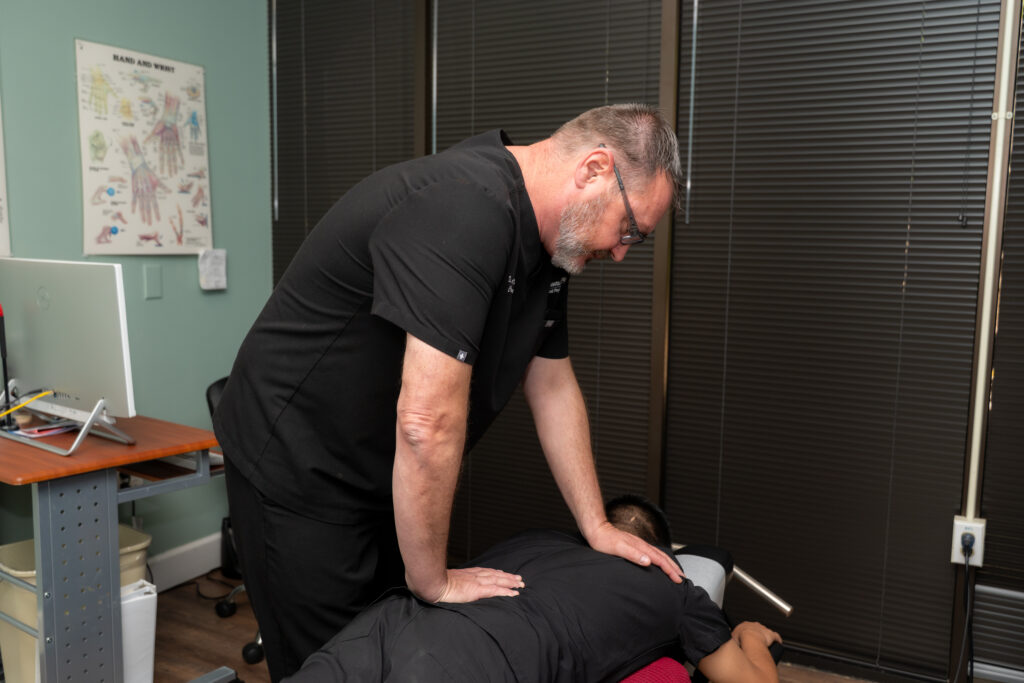
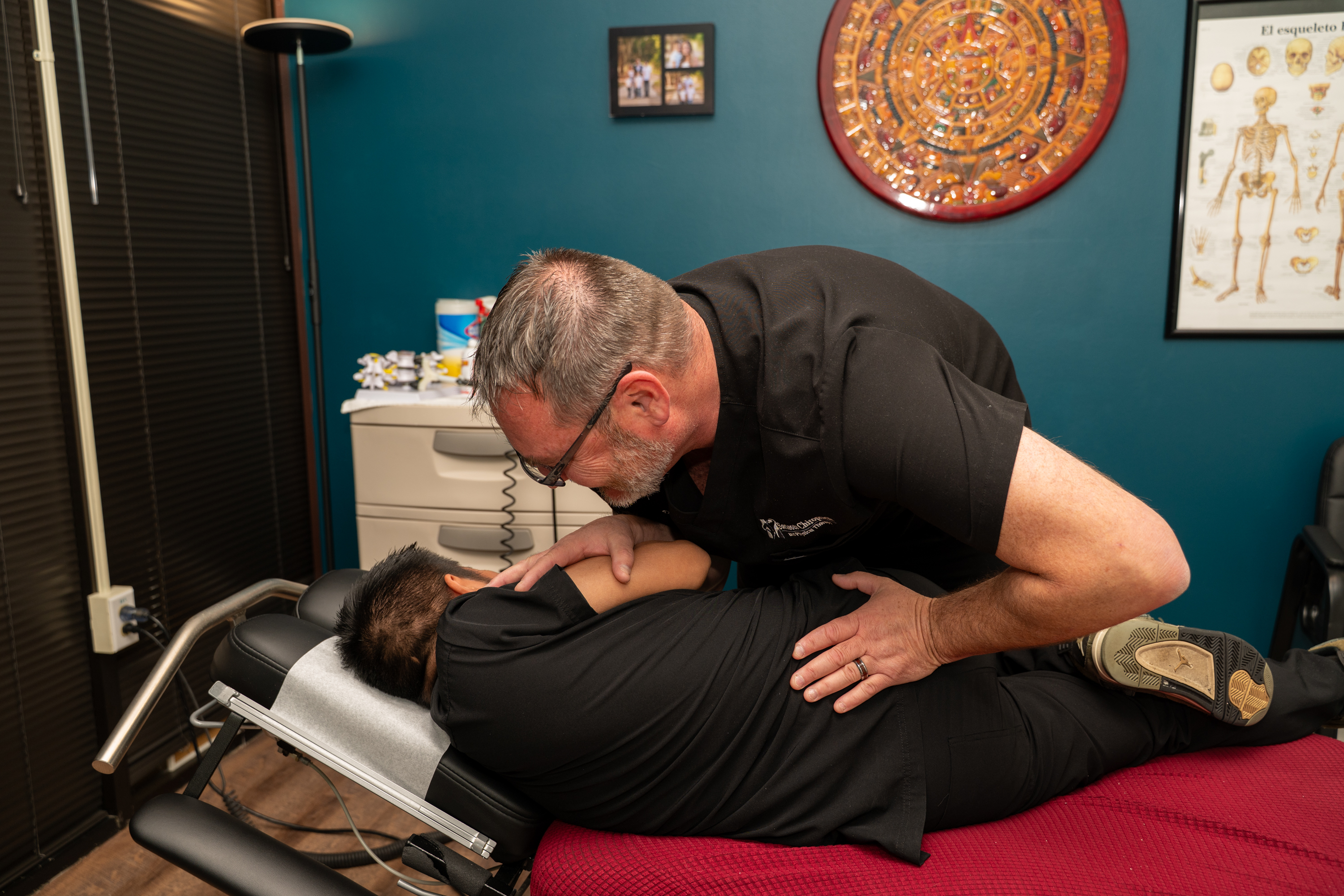
Chiropractic care and movement snacks work together beautifully to support optimal function and comfort. While movement snacks help maintain mobility throughout your day, chiropractic adjustments address underlying biomechanical restrictions and nervous system interference that may be preventing you from moving well in the first place.
At Sarasota Chiropractic And Physical Therapy, the approach combines hands-on adjustments with education about movement and lifestyle modifications. When your spine and joints move properly, your movement snacks become more effective because your body can execute them with better mechanics and less compensation. Dr. Abraham Kozma focuses on identifying areas of restricted motion, muscle imbalance, and postural stress that develop from modern lifestyle habits.
Chiropractic adjustments help restore normal joint motion, which in turn supports healthy nervous system function. When joints move freely and your nervous system communicates efficiently, your muscles fire properly, your balance improves, and your body becomes more resilient to the stresses of daily life. Many patients find that after beginning chiropractic care, their movement snacks feel easier and more natural.
The care you receive is individualized based on your specific needs, lifestyle, and goals. Some patients benefit from weekly visits during an initial period of correction, while others maintain wellness with less frequent appointments. The team at the practice can also provide specific movement recommendations tailored to your work environment, daily routine, and any areas of weakness or restriction identified during your examination.
Practical Movement Snacks You Can Start Today
Now let’s get into the practical part—actual movement snacks you can incorporate immediately. These don’t require any equipment and can be done almost anywhere. The goal is to perform these throughout your day, ideally every 30 to 60 minutes if you have a sedentary job or lifestyle.
Standing Hip Circles: Stand up and place your hands on your hips. Make slow, controlled circles with your hips in one direction for 30 seconds, then reverse. This mobilizes your hip joints, engages your core, and helps counteract hip stiffness from sitting. It also gently moves your lower back through different planes of motion.
Shoulder Blade Squeezes: Sit or stand with good posture. Pull your shoulder blades back and down, as if you’re trying to squeeze a pencil between them. Hold for five seconds, then release. Repeat ten times. This activates the muscles between your shoulder blades that often become weak and overstretched from forward-leaning postures.
Desk Push-Ups: Place your hands on the edge of your desk, step your feet back until your body forms a straight line, and perform ten slow push-ups. This engages your chest, shoulders, arms, and core while providing a quick burst of strength work without getting on the floor.
Standing Marches: Stand tall and march in place for 60 seconds, bringing your knees up toward your chest. This gets your heart rate up slightly, engages your hip flexors through a full range of motion, and activates your core stabilizers.
Neck Stretches: Gently tilt your head toward one shoulder, hold for 15 seconds, then switch sides. Follow with a gentle chin tuck, pulling your head straight back to create a double chin position, which helps counteract forward head posture. Repeat three times in each direction.
Calf Raises: Stand behind your chair and hold the back for balance. Rise up onto your toes, hold for two seconds, then lower slowly. Perform 15 repetitions. This pumps blood from your lower legs back toward your heart and strengthens your calf muscles, which are important for balance and walking mechanics.
Spinal Twists: Sit in your chair with feet flat on the floor. Place your right hand on the outside of your left knee and gently rotate your torso to the left, looking over your left shoulder. Hold for 15 seconds, then switch sides. This mobilizes your thoracic spine, which often becomes stiff from prolonged sitting.
The key to success with movement snacks is consistency rather than perfection. You don’t need to do all of these every hour. Instead, pick two or three that feel good for your body and set a timer to remind yourself to do them. Many people here in Sarasota set hourly phone reminders or use apps designed to prompt movement breaks.
When to See a Chiropractor
While movement snacks are incredibly beneficial for maintaining comfort and function, they’re not a substitute for professional evaluation when you’re experiencing persistent discomfort or limited mobility. There are several situations where seeking chiropractic care becomes particularly important.
If you’ve been incorporating movement snacks but still experience daily discomfort in your back, neck, or joints, this suggests there may be underlying mechanical restrictions or misalignments that need to be addressed. Movement snacks work best when your body can already move reasonably well. If joint restrictions are present, you may need adjustments to restore normal motion first.
Persistent stiffness that doesn’t improve with gentle movement throughout the day is another indicator. Some stiffness is normal after sitting for a long time, but if you consistently feel locked up or have difficulty with basic movements like bending, reaching, or turning your head, a chiropractor can identify what’s limiting your mobility and develop a plan to address it.
Headaches that occur regularly, especially tension-type headaches that start in your neck and spread upward, often respond well to chiropractic care combined with movement strategies. These headaches frequently result from muscle tension and joint dysfunction in the neck and upper back.
If you notice postural changes—such as a head that’s shifted forward, shoulders that round excessively, or a pelvis that tilts—these warrant professional assessment. Dr. Abraham Kozma can perform a thorough postural analysis and identify which areas need attention, then provide both hands-on care and specific corrective exercises.
Red flags that should prompt immediate medical evaluation include severe pain that doesn’t respond to rest or movement, pain accompanied by numbness or weakness in your arms or legs, loss of bowel or bladder control, unexplained weight loss, or pain following significant trauma. While these situations are uncommon, they require urgent assessment to rule out serious underlying conditions.
Movement Snacks vs. Traditional Exercise
| Aspect | Movement Snacks | Traditional Exercise |
|---|---|---|
| Duration | 30 seconds to 5 minutes | 20 to 60 minutes or more |
| Frequency | Multiple times throughout the day | 3-5 times per week |
| Intensity | Low to moderate | Moderate to high |
| Equipment Needed | None or minimal | Often requires gym or equipment |
| Primary Goal | Break up sedentary time, maintain mobility | Build strength, endurance, fitness |
| Clothing Required | Regular daily clothes | Workout attire and shoes |
| Location | Anywhere—office, home, outdoors | Gym, track, fitness facility |
| Best For | Daily maintenance and pain prevention | Cardiovascular health and strength gains |
Both movement snacks and traditional exercise play important roles in a healthy lifestyle. They’re not mutually exclusive—in fact, they complement each other beautifully. Movement snacks help counteract the immediate effects of prolonged sitting and keep your body functioning well between exercise sessions. Traditional exercise builds cardiovascular fitness, muscular strength, and endurance that support overall health and longevity.
Myths vs. Facts About Movement and Sitting
Myth: You Can’t Counteract the Effects of Sitting if You Exercise Regularly
Fact: While regular exercise is incredibly important for overall health, research suggests that it doesn’t fully negate the negative metabolic and musculoskeletal effects of prolonged uninterrupted sitting. Even people who exercise for an hour each day but sit for the remaining waking hours may experience increased health risks. Movement snacks throughout the day, combined with regular exercise, provide the best protection against sedentary lifestyle effects.
Myth: Movement Snacks Need to Be Vigorous to Be Effective
Fact: The beauty of movement snacks lies in their simplicity and accessibility. Light-intensity movements like standing, walking, gentle stretches, and basic mobility exercises have been shown to interrupt the negative cascade of events that occur during prolonged sitting. You don’t need to break a sweat or raise your heart rate significantly for these brief movement breaks to be beneficial.
Myth: Good Posture Alone Can Prevent Sitting-Related Problems
Fact: While posture certainly matters, even “perfect” posture maintained for hours without movement creates problems. The human body is designed for variety and frequent position changes. Static postures, even ergonomically correct ones, lead to muscle fatigue, reduced circulation, and joint stiffness over time. The best posture is your next posture—meaning that regular movement and position changes matter more than holding any single position perfectly.
Myth: Standing Desks Solve All Sitting-Related Issues
Fact: Standing desks can be helpful tools when used correctly, but prolonged standing creates its own set of issues including leg fatigue, foot discomfort, and increased pressure on joints. The optimal approach involves alternating between sitting and standing throughout the day and incorporating movement snacks regardless of whether you’re sitting or standing. Variety in position and regular movement are what truly matter.
Myth: You Need Special Equipment or Gym Access for Effective Movement Breaks
Fact: One of the greatest advantages of movement snacks is that they require little to no equipment. Your body weight provides resistance, and simple movements performed in your regular clothes at your desk or in your living room are highly effective. The barrier to entry is essentially zero, which makes movement snacks accessible to everyone regardless of fitness level, budget, or schedule.
Final Thoughts
Movement snacks represent a paradigm shift in how we think about daily physical activity and wellness. Instead of viewing exercise as something separate from the rest of your day—something you check off a list at the gym—movement snacks integrate beneficial physical activity seamlessly into your normal routine. They acknowledge the reality of modern life while providing a practical, sustainable solution to one of our most pressing health challenges: too much sitting.
Here in Sarasota, we’re fortunate to have beautiful weather and outdoor spaces that make movement even more appealing. Whether you’re working from home with a view of the bay or spending your days in an office downtown, you have countless opportunities to incorporate these small but powerful habits. The team at Sarasota Chiropractic And Physical Therapy encourages every patient to view movement as medicine—something you dose yourself with regularly throughout the day to maintain optimal function and comfort.
Dr. Abraham Kozma has seen firsthand how patients who embrace frequent movement breaks experience less pain, better posture, improved energy levels, and enhanced overall well-being. Combined with appropriate chiropractic care when needed, movement snacks form a foundation for long-term musculoskeletal health that can serve you for decades to come. Start small, be consistent, and pay attention to how your body responds. You may be surprised by how much better you feel with just a few intentional minutes of movement scattered throughout your day.
Frequently Asked Questions
How often should I do movement snacks throughout my workday?
Aim for a brief movement snack every 30 to 60 minutes during prolonged sitting. This might mean standing and stretching every half hour or doing a set of desk push-ups and shoulder rolls once an hour. The exact frequency matters less than consistency—find a rhythm that works with your schedule and stick with it.
Can movement snacks replace my regular exercise routine?
Movement snacks and traditional exercise serve different purposes and ideally work together. Movement snacks break up sedentary time and maintain daily mobility, while structured exercise builds cardiovascular fitness, strength, and endurance. Both contribute to overall health, and neither fully replaces the other.
What if I feel self-conscious doing exercises at work?
Many movement snacks are subtle enough that coworkers won’t even notice—like seated spinal twists, shoulder blade squeezes, or calf raises while standing at your desk. You can also take brief walking breaks, use the stairs, or step outside for fresh air. If your workplace has a wellness culture, you might even inspire colleagues to join you.
Will movement snacks help with my chronic back pain?
Movement snacks can be part of an effective strategy for managing and preventing back pain, especially when that pain is related to prolonged sitting and poor posture. However, chronic pain often requires professional evaluation to identify underlying causes. Dr. Abraham Kozma at Sarasota Chiropractic And Physical Therapy can assess your specific situation and recommend appropriate care combined with movement strategies.
Are there any movements I should avoid if I already have pain?
If certain movements consistently increase your pain, avoid those temporarily and focus on movements that feel comfortable or even relieving. Pain is your body’s feedback system—respect it. If you’re unsure which movements are safe for your situation, schedule an evaluation with a chiropractor who can provide specific guidance based on your condition and needs.
How long before I notice improvements from doing regular movement snacks?
Many people notice they feel less stiff and more energized within just a few days of incorporating consistent movement breaks. Longer-term benefits like improved posture, reduced chronic tension, and better overall mobility typically become apparent within two to four weeks of consistent practice. The key is making movement snacks a daily habit rather than an occasional practice.
TL;DR – Quick Takeaways
- Movement snacks are brief bursts of activity lasting 30 seconds to 5 minutes that you perform throughout the day to counteract prolonged sitting and maintain optimal body function.
- Your body needs regular movement for healthy joints, muscles, circulation, and nervous system function—even “perfect” posture held too long causes problems.
- Simple movements like standing hip circles, shoulder blade squeezes, desk push-ups, and spinal twists require no equipment and can be done anywhere in regular clothes.
- Aim to incorporate a movement snack every 30 to 60 minutes during sedentary activities, combining them with regular exercise for comprehensive health benefits.
- If you experience persistent pain, stiffness, or postural changes despite regular movement, seek evaluation at Sarasota Chiropractic And Physical Therapy where Dr. Abraham Kozma can address underlying restrictions and support your movement goals.