If you’ve been dealing with persistent pain—whether in your back, neck, shoulder, or knee—you’ve likely explored your options for relief. Many people in Sarasota and beyond are discovering that natural, non-invasive approaches like physical therapy offer powerful alternatives to medications and surgery. More patients are choosing conservative care that addresses the root cause of pain rather than simply masking symptoms. At Sarasota Chiropractic And Physical Therapy, we see firsthand how physical therapy empowers people to move better, feel stronger, and reclaim their quality of life without relying on prescriptions or invasive procedures. In this article, we’ll explore why physical therapy has become such a popular choice for natural pain relief and what you can expect from this evidence-based approach.
What is Physical Therapy?
Physical therapy is a healthcare discipline focused on restoring movement, reducing pain, and improving function through targeted exercises, manual therapy, education, and personalized treatment plans. It treats the underlying biomechanical issues contributing to pain rather than just addressing symptoms.
Table of Contents
- Why Natural Pain Relief Matters
- How Physical Therapy Works for Pain Relief
- Common Conditions Treated with Physical Therapy
- What Physical Therapy Looks Like at Sarasota Chiropractic And Physical Therapy
- Practical Tips to Support Your Recovery
- When to Consider Physical Therapy
- Treatment Approaches Comparison
- Myths vs. Facts About Physical Therapy
- Final Thoughts
Why Natural Pain Relief Matters
Over the past decade, there has been a significant shift in how people approach pain management. The opioid crisis and growing concerns about medication side effects have prompted many to seek safer alternatives. Natural pain relief focuses on helping your body heal itself through movement, proper alignment, and strengthening—without introducing foreign substances or surgical risks.
Physical therapy fits perfectly into this natural approach. Research from organizations like the American Physical Therapy Association (APTA) and the American College of Physicians (ACP) increasingly supports physical therapy as a first-line treatment for many musculoskeletal conditions. The ACP guidelines, for example, recommend non-pharmacologic treatments like exercise and manual therapy before considering medications for lower back pain.
Here in Sarasota, many of our patients come to us after years of managing pain with over-the-counter medications or prescription drugs. They’re often surprised to learn that their bodies have an incredible capacity to heal when given the right support. Physical therapy taps into that innate healing ability by addressing mechanical dysfunction, improving circulation, reducing inflammation naturally, and teaching your body to move in ways that prevent future injury.
The appeal of natural pain relief extends beyond avoiding medications. Many people simply prefer treatments that feel intuitive and empowering. When you understand why you hurt and learn specific techniques to manage your condition, you gain control over your own health. That sense of agency is something Dr. Abraham Kozma emphasizes with every patient at Sarasota Chiropractic And Physical Therapy.
How Physical Therapy Works for Pain Relief
Physical therapy addresses pain through multiple mechanisms, all working together to restore normal function and reduce discomfort. Understanding how this process works can help you appreciate why it’s so effective.
Movement as Medicine
One of the foundational principles of physical therapy is that appropriate movement promotes healing. When tissues are injured or stressed, they need controlled loading and motion to repair properly. Complete rest can actually lead to stiffness, weakness, and prolonged recovery. Physical therapists design specific exercises that gradually restore strength and flexibility without overwhelming damaged tissues.
Manual Therapy Techniques
Skilled hands-on treatment is another cornerstone of physical therapy. Techniques like joint mobilization, soft tissue massage, myofascial release, and trigger point therapy help reduce muscle tension, improve joint mobility, and decrease pain signals. These manual approaches complement exercise by preparing tissues to move more freely and comfortably.
Correcting Movement Patterns
Often, pain develops because of faulty movement patterns or biomechanical imbalances. Perhaps you favor one leg when walking, hunch your shoulders at a desk, or lift objects with poor form. Physical therapists are experts at identifying these patterns and teaching you how to move more efficiently. When your body moves as it was designed to, stress on joints and soft tissues decreases dramatically.
Pain Neuroscience Education
Modern physical therapy also incorporates education about how pain works. Understanding that pain doesn’t always equal tissue damage—and that the nervous system can become oversensitive—helps patients approach their recovery with less fear and more confidence. This knowledge alone can reduce pain perception and improve outcomes.
Reducing Inflammation Naturally
Movement and manual therapy promote circulation, which helps reduce inflammation and clear metabolic waste products from tissues. This natural anti-inflammatory effect happens without the side effects associated with long-term medication use.
Common Conditions Treated with Physical Therapy
Physical therapy is remarkably versatile and can address a wide range of painful conditions. Some of the most common issues we see at Sarasota Chiropractic And Physical Therapy include:
Lower Back Pain: One of the most researched applications of physical therapy. Evidence consistently shows that exercise-based physical therapy reduces pain and improves function in both acute and chronic lower back pain. Treatment focuses on core stabilization, flexibility, and teaching proper lifting and bending mechanics.
Neck Pain and Headaches: Poor posture, muscle tension, and joint dysfunction in the cervical spine often lead to neck pain and tension headaches. Physical therapy addresses these issues through manual therapy, postural correction, and targeted strengthening of neck and upper back muscles.
Shoulder Pain: Rotator cuff injuries, frozen shoulder, and impingement syndromes respond well to physical therapy. Treatment restores shoulder blade mechanics, improves rotator cuff strength, and addresses any compensation patterns that developed during the injury.
Knee Pain: Whether from osteoarthritis, meniscus issues, or patellofemoral pain syndrome, knee problems benefit from strengthening the muscles that support and stabilize the joint. Physical therapy also addresses hip and ankle mechanics that influence knee stress.
Sports Injuries: Sprains, strains, tendinitis, and overuse injuries are common among active individuals. Physical therapy not only treats the current injury but also identifies risk factors and provides strategies to prevent recurrence.
Post-Surgical Rehabilitation: After orthopedic surgery, physical therapy is essential for restoring strength, range of motion, and function. A structured rehabilitation program ensures the best possible outcome from surgical intervention.
Chronic Pain Conditions: Conditions like fibromyalgia and chronic regional pain syndrome can be challenging, but physical therapy approaches that emphasize gentle movement, gradual progression, and pain neuroscience education have been shown to help manage symptoms.
What Physical Therapy Looks Like at Sarasota Chiropractic And Physical Therapy
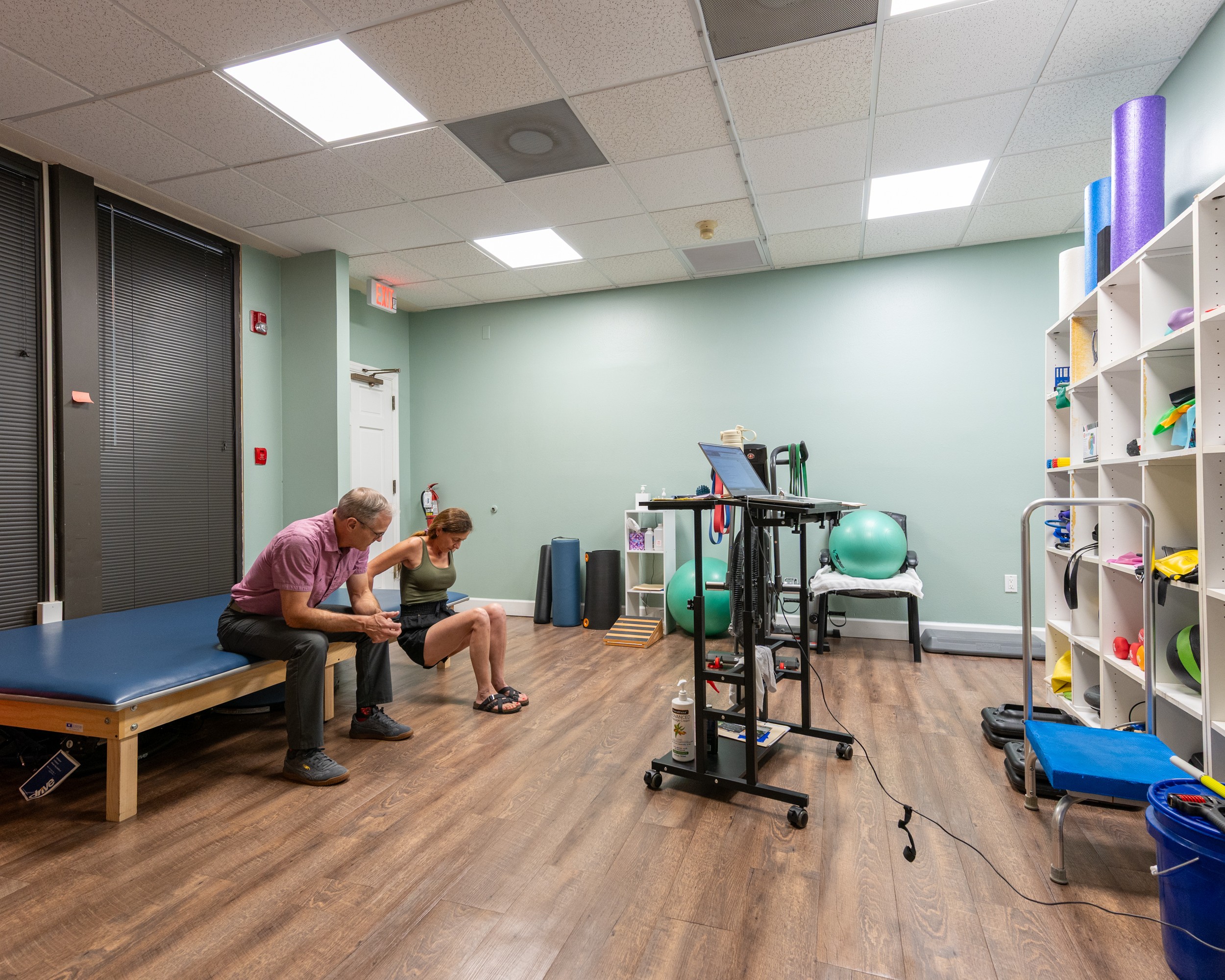
When you choose physical therapy at Sarasota Chiropractic And Physical Therapy, you’re choosing personalized, hands-on care designed around your specific needs and goals. Dr. Abraham Kozma and the care team take time to understand not just your pain, but how it impacts your daily life, work, hobbies, and overall well-being.
Comprehensive Initial Evaluation
Your first visit includes a thorough assessment. Your physical therapist will review your medical history, discuss your symptoms and concerns, and perform movement tests to identify limitations and biomechanical issues. This evaluation forms the foundation of your personalized treatment plan.
Individualized Treatment Plans
No two patients are exactly alike, which is why cookie-cutter approaches don’t work. Your treatment plan is tailored to your condition, fitness level, lifestyle, and recovery goals. It may include manual therapy, therapeutic exercises, stretching protocols, posture training, and education.
Hands-On Care
Manual therapy is a key component of physical therapy at our Sarasota practice. Skilled hands-on techniques help reduce pain, improve tissue quality, and restore joint mobility. This direct approach complements the active exercises you’ll perform.
Active Patient Participation
Physical therapy is a collaborative process. While your therapist guides and supports you, your active participation is essential. You’ll learn exercises to perform between visits, along with strategies to manage symptoms and prevent future problems. This empowerment is one of the most valuable aspects of physical therapy.
Progress Monitoring and Adjustment
As you improve, your treatment plan evolves. Your therapist regularly reassesses your progress and adjusts exercises and techniques accordingly. This dynamic approach ensures you’re always working at the appropriate level to maximize recovery.
Integration with Chiropractic Care
At Sarasota Chiropractic And Physical Therapy, physical therapy often works hand-in-hand with chiropractic adjustments. This integrated approach addresses both joint alignment and the surrounding muscular system, providing comprehensive conservative care for musculoskeletal issues.
Practical Tips to Support Your Recovery
Physical therapy works best when combined with smart lifestyle habits. Here are some practical recommendations to support your natural pain relief journey:
Stay Consistent with Home Exercises: The exercises your physical therapist prescribes are carefully chosen for your condition. Performing them regularly—even when you start feeling better—accelerates healing and prevents recurrence. Think of them as your personal maintenance program.
Pay Attention to Posture: Whether sitting at a desk, driving, or standing, your posture significantly impacts musculoskeletal stress. Keep your spine neutral, shoulders relaxed, and avoid prolonged static positions. Set reminders to check in with your posture throughout the day.
Move Frequently: Our bodies are designed for movement, not hours of sitting. Take regular breaks to stand, stretch, and walk. Even a few minutes every hour makes a difference in reducing stiffness and pain.
Modify Activities Appropriately: During recovery, you may need to temporarily adjust how you perform certain activities. Your physical therapist will provide specific guidance on modifications. These aren’t permanent limitations—they’re strategic adjustments to allow healing.
Stay Hydrated and Eat Well: Proper hydration supports tissue health and recovery. A balanced diet rich in anti-inflammatory foods—like fruits, vegetables, lean proteins, and healthy fats—provides the nutrients your body needs to heal.
Manage Stress: Chronic stress increases muscle tension and can amplify pain perception. Incorporate stress management techniques like deep breathing, meditation, or activities you enjoy. Sarasota’s beautiful beaches and outdoor spaces offer wonderful opportunities for stress relief.
Get Quality Sleep: Sleep is when your body does much of its repair work. Prioritize good sleep hygiene—maintain a consistent schedule, create a comfortable sleep environment, and address any sleep position issues your therapist identifies.
Communicate with Your Care Team: Keep Dr. Abraham Kozma and your physical therapist informed about your progress, any concerns, or changes in symptoms. Open communication ensures your treatment stays on track and addresses any challenges promptly.
When to Consider Physical Therapy
How do you know if physical therapy is right for you? Here are some indicators that conservative care may be appropriate:
Pain Lasting Beyond Expected Healing Time: If you’ve had pain for more than a few weeks despite rest and self-care, physical therapy can help identify underlying issues and accelerate recovery.
Recurring Pain or Injuries: If the same problem keeps coming back—whether it’s lower back pain, shoulder discomfort, or knee issues—physical therapy addresses the root cause rather than just treating each episode.
Difficulty with Daily Activities: When pain interferes with work, household tasks, hobbies, or exercise, it’s time to seek help. Physical therapy restores function so you can return to the activities you value.
Decreased Range of Motion: If you notice you can’t move a joint as freely as you once could, or if movements feel restricted, physical therapy can help restore mobility before the problem worsens.
Post-Injury Recovery: After a sprain, strain, or other injury, physical therapy ensures proper healing and helps prevent compensatory patterns that could lead to future problems.
Before Considering Surgery: Many orthopedic surgeons now recommend trying conservative care first. Physical therapy often reduces or eliminates the need for surgical intervention.
Prevention and Optimization: You don’t need to be in pain to benefit from physical therapy. Athletes and active individuals use it to optimize movement, prevent injuries, and enhance performance.
Red Flags Warranting Medical Evaluation: While physical therapy is safe and effective for most musculoskeletal conditions, certain symptoms require immediate medical attention. Seek emergency care for severe trauma, loss of bowel or bladder control, progressive weakness or numbness, unexplained weight loss, fever with pain, or pain that’s severe and unrelenting despite rest.
Treatment Approaches Comparison
| Approach | How It Works | Best For | Considerations |
|---|---|---|---|
| Physical Therapy | Restores function through exercise, manual therapy, and education | Musculoskeletal pain, injuries, post-surgical recovery, chronic conditions | Requires active participation; results build over time |
| Medication | Blocks pain signals or reduces inflammation chemically | Short-term symptom relief, acute inflammation | Doesn’t address underlying cause; potential side effects; risk of dependency |
| Surgery | Repairs damaged structures or removes problematic tissue | Structural problems not responsive to conservative care | Invasive; recovery period; risks; often requires physical therapy afterward |
| Rest Alone | Allows natural healing without intervention | Very acute injuries (first 24-72 hours) | Prolonged rest can lead to weakness and stiffness; doesn’t correct biomechanics |
| Integrated Conservative Care | Combines physical therapy with chiropractic adjustments | Complex conditions requiring joint and soft tissue care | Addresses multiple factors; comprehensive approach available at Sarasota Chiropractic And Physical Therapy |
Myths vs. Facts About Physical Therapy
Myth: Physical Therapy Is Only for After Surgery
Fact: While physical therapy is certainly important for post-surgical rehabilitation, it’s actually most effective as a first-line treatment before surgery is even considered. Research consistently shows that physical therapy can prevent the need for surgery in many cases, particularly for conditions like lower back pain, knee osteoarthritis, and shoulder impingement.
Myth: Physical Therapy Is Just Exercises I Could Do on My Own
Fact: Physical therapists are movement specialists with extensive training in anatomy, biomechanics, and therapeutic exercise. They identify specific weaknesses, imbalances, and movement faults that you wouldn’t recognize on your own. The exercises are precisely targeted to your condition and progressively adjusted based on your response. Generic exercises from the internet can’t match this personalized approach.
Myth: Physical Therapy Always Hurts
Fact: The old “no pain, no gain” mentality doesn’t apply to physical therapy. While you may experience some temporary discomfort as you work through stiffness or strengthen weak muscles, physical therapy should not cause sharp or severe pain. Your therapist carefully monitors your responses and adjusts treatment intensity accordingly. The goal is gradual, comfortable progression.
Myth: I Need a Doctor’s Referral for Physical Therapy
Fact: In Florida, you have direct access to physical therapy, meaning you can see a physical therapist without a physician referral. However, some insurance plans may have specific requirements, so it’s worth checking your coverage. At Sarasota Chiropractic And Physical Therapy, our team can help you understand your options.
Myth: Physical Therapy Takes Too Long to Work
Fact: Many patients notice improvements within just a few visits. While complex or chronic conditions may require more time to fully resolve, you typically won’t wait weeks to feel any benefit. The timeline depends on your specific condition, how long you’ve had it, and your consistency with home exercises. Your physical therapist will discuss realistic expectations during your initial evaluation.
Final Thoughts
More people are discovering what research has confirmed: physical therapy offers powerful, natural pain relief that addresses the root cause of musculoskeletal problems. Instead of masking symptoms or rushing into invasive procedures, physical therapy empowers your body to heal itself through targeted movement, hands-on care, and education. It’s an approach that respects your body’s innate ability to recover while giving you the tools and knowledge to prevent future issues.
Here in Sarasota, Dr. Abraham Kozma and the team at Sarasota Chiropractic And Physical Therapy are committed to providing personalized, evidence-based care that helps you move better and feel stronger. Whether you’re dealing with chronic pain, recovering from an injury, or simply want to optimize your movement and prevent problems, physical therapy offers a safe, effective path forward. If you’ve been searching for natural pain relief that truly works, physical therapy may be exactly what you need. Your journey to better movement and less pain can start today.
Frequently Asked Questions
How long does a typical physical therapy session last?
Most physical therapy sessions last between 30 to 60 minutes. The exact duration depends on your specific treatment plan and needs. Your physical therapist at Sarasota Chiropractic And Physical Therapy will discuss the recommended session length during your initial evaluation.
How many physical therapy sessions will I need?
The number of sessions varies based on your condition, severity, and how long you’ve had the problem. Some patients feel significantly better after just a handful of visits, while chronic conditions may require several weeks of care. Your therapist will provide an estimated timeline and regularly reassess your progress.
Can I do physical therapy if I have arthritis?
Absolutely. Physical therapy is highly beneficial for arthritis management. It helps maintain joint mobility, strengthens the muscles that support affected joints, and teaches you how to move in ways that minimize stress on arthritic areas. Many arthritis patients find that physical therapy significantly reduces their pain and improves their function.
Will my insurance cover physical therapy?
Most insurance plans include physical therapy coverage, though specifics vary by plan. Some require referrals, while others allow direct access. The team at Sarasota Chiropractic And Physical Therapy can help you understand your benefits and answer questions about coverage.
What should I wear to physical therapy?
Wear comfortable, loose-fitting clothing that allows you to move freely. Athletic wear like t-shirts, shorts, or yoga pants works well. Your therapist may need to access certain areas to perform manual therapy, so clothing that doesn’t restrict movement or assessment is ideal.
Is physical therapy the same as massage therapy?
No, though both involve hands-on techniques. Physical therapy is a comprehensive healthcare discipline focused on restoring movement and function through exercise, manual therapy, and education. While massage may be used as one technique, physical therapy encompasses a much broader range of interventions specifically designed to address musculoskeletal dysfunction and pain.
TL;DR — Key Takeaways
- Physical therapy offers natural, evidence-based pain relief that addresses root causes rather than just masking symptoms, making it an increasingly popular alternative to medications and surgery.
- It works through targeted exercises, manual therapy techniques, movement education, and pain neuroscience principles that help your body heal itself and move more efficiently.
- Physical therapy effectively treats a wide range of conditions including back pain, neck pain, shoulder issues, knee problems, sports injuries, and chronic pain syndromes.
- At Sarasota Chiropractic And Physical Therapy, Dr. Abraham Kozma and the care team provide personalized treatment plans that integrate physical therapy with chiropractic care for comprehensive conservative treatment.
- Active participation, consistency with home exercises, and open communication with your care team are essential for maximizing your results and achieving lasting pain relief.