Back Pain Causes: Understanding the Source of Your Discomfort
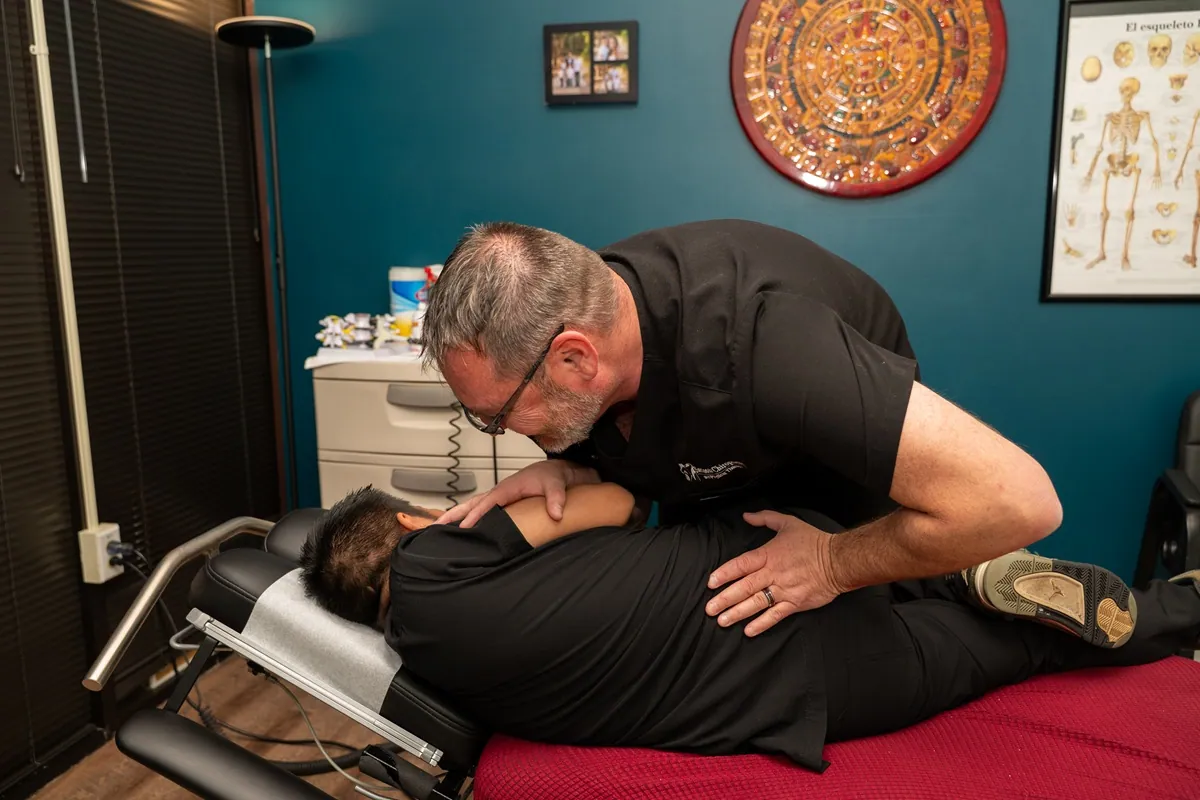
Back pain is one of the most common reasons people seek care — and one of the most misunderstood. Whether it crept up on you gradually or appeared suddenly after a car accident, the discomfort in your spine, hips, or lower back has a way of touching everything. Your sleep suffers. Your work suffers. The activities you love most — a walk on the beach, a round of golf, time with your kids — start to feel out of reach. Here in Sarasota, Dr. Abraham Kozma and the team at Sarasota Chiropractic and Physical Therapy work with patients every day who are tired of guessing what’s causing their pain and ready for real answers. This article breaks down the most common back pain causes, how your body actually works when something goes wrong, and what you can do about it.
What Is Back Pain, Really?
Back pain is discomfort, stiffness, or limited mobility that originates anywhere from the base of your skull down to your tailbone. It can be sharp or dull, constant or intermittent, localized or radiating into your legs or arms. Back pain is not a diagnosis on its own — it is a symptom pointing to an underlying structural, muscular, or neurological issue that deserves proper evaluation.
In This Article
How the Back Works: A Quick Foundation
Before we talk about what goes wrong, it helps to understand how the back is designed to function. Your spine is a remarkable, complex structure made up of 33 vertebrae stacked in a column. Between each vertebra sits a disc — a cushioned pad that absorbs shock and allows movement. Running through the center of the spine is the spinal canal, which houses and protects your spinal cord and the nerve roots that branch out to every part of your body.
Surrounding this bony structure is an intricate web of muscles, tendons, and ligaments that hold everything together and allow you to bend, twist, lift, and stand tall. When all these components are working in harmony, movement is fluid and pain-free. When even one element is disrupted — a disc, a joint, a muscle group — the entire system can feel it.
The back is divided into three main regions: the cervical spine (neck), the thoracic spine (mid-back), and the lumbar spine (lower back). The lower back, or lumbar region, bears the greatest load and is where most people experience pain. Understanding which region is involved — and why — is the first step toward finding lasting relief.
Common Back Pain Causes — and What They Actually Mean
Back pain rarely comes out of nowhere. Even when it feels sudden, there is almost always an underlying reason. Here are the most well-established back pain causes that Dr. Abraham Kozma evaluates at Sarasota Chiropractic and Physical Therapy.
Muscle and Ligament Strain
This is the most frequent culprit behind acute back pain. A sudden awkward movement, lifting something too heavy, or even sleeping in an odd position can overstretch or micro-tear the muscles and ligaments that support your spine. The result is localized aching, stiffness, and sometimes muscle spasms that can be surprisingly intense. While this type of pain often improves with time, recurring strains typically indicate a weakness or imbalance in the supporting musculature that needs to be addressed directly.
Herniated or Bulging Discs
Each spinal disc has a tough outer ring and a soft, gel-like center. When excessive pressure is placed on the spine — through injury, poor posture over time, or repetitive loading — that inner material can push outward against the outer ring (bulging) or break through it entirely (herniation). When a disc presses against a nearby nerve root, the result can be radiating pain, tingling, numbness, or weakness that travels into the legs or arms. In the lumbar spine, this often presents as what most people recognize as sciatica.
Spinal Joint Dysfunction
The joints of the spine, called facet joints, allow the vertebrae to move smoothly relative to one another. These joints can become restricted, irritated, or inflamed — often from injury, prolonged poor posture, or degenerative changes. When a spinal joint is not moving properly, it can cause localized stiffness and pain and may affect the movement of the entire surrounding region. This is one of the core areas that chiropractic care directly addresses.
Degenerative Disc Disease
As we age, our spinal discs naturally lose some of their moisture and height. This is a normal part of aging, but in some people it progresses more quickly or occurs in areas under particular stress. Disc degeneration can lead to reduced cushioning between vertebrae, increased joint load, and — if significant enough — inflammation and pain. The term “disease” sounds alarming, but it is worth knowing that many people have measurable disc degeneration without significant pain, and conservative care can play a meaningful role in managing symptoms.
Poor Posture and Sedentary Habits
This is one of the most common back pain causes we see here in Sarasota, and it is entirely related to how modern life is structured. Hours spent sitting at a desk, looking down at a phone, or driving without adequate lumbar support place the spine in sustained positions it was not designed to hold. Over time, this leads to postural imbalances, weakened core muscles, shortened hip flexors, and increased load on the discs and joints of the lower back. The pain that results is gradual, often dismissed early on, and increasingly difficult to ignore as it compounds over months and years.
Scoliosis and Structural Abnormalities
Some individuals have a lateral curvature of the spine — known as scoliosis — or other structural variations that alter the mechanics of how load is distributed across the spine. These differences do not always cause pain, but they can contribute to muscular imbalances and joint stress that lead to chronic discomfort over time. Understanding the structural picture is important for building a care plan that works with the spine as it actually is, rather than a one-size-fits-all approach.
When a Car Accident Is Behind Your Back Pain
A significant number of patients who come to see Dr. Abraham Kozma at Sarasota Chiropractic and Physical Therapy are dealing with back pain that started after a car accident — and this deserves its own conversation. Auto accidents expose the spine to forces it was simply not built to withstand. Even at low speeds, the sudden deceleration of a collision sends a whipping force through the body that can strain muscles and ligaments, displace spinal joints, and compress or herniate discs in a fraction of a second.
One of the most important things to understand about accident-related back pain is that symptoms often do not appear immediately. Adrenaline masks pain in the hours following a crash, and soft tissue injuries — particularly to the ligaments and discs — can take 24 to 72 hours to fully declare themselves. Many patients visit an urgent care or emergency room, receive a clear X-ray result, and are sent home with pain medication — only to wake up days later with significant back and neck pain that feels worse, not better.
Resting and waiting is rarely enough when there is structural involvement. The back pain causes tied to auto accidents require hands-on evaluation of the spine, a clear diagnosis of what is actually injured, and a coordinated plan that addresses both the structural damage and the functional limitations that follow. That is exactly the kind of care our team is built to provide.
How Chiropractic Care Fits Into Back Pain Recovery
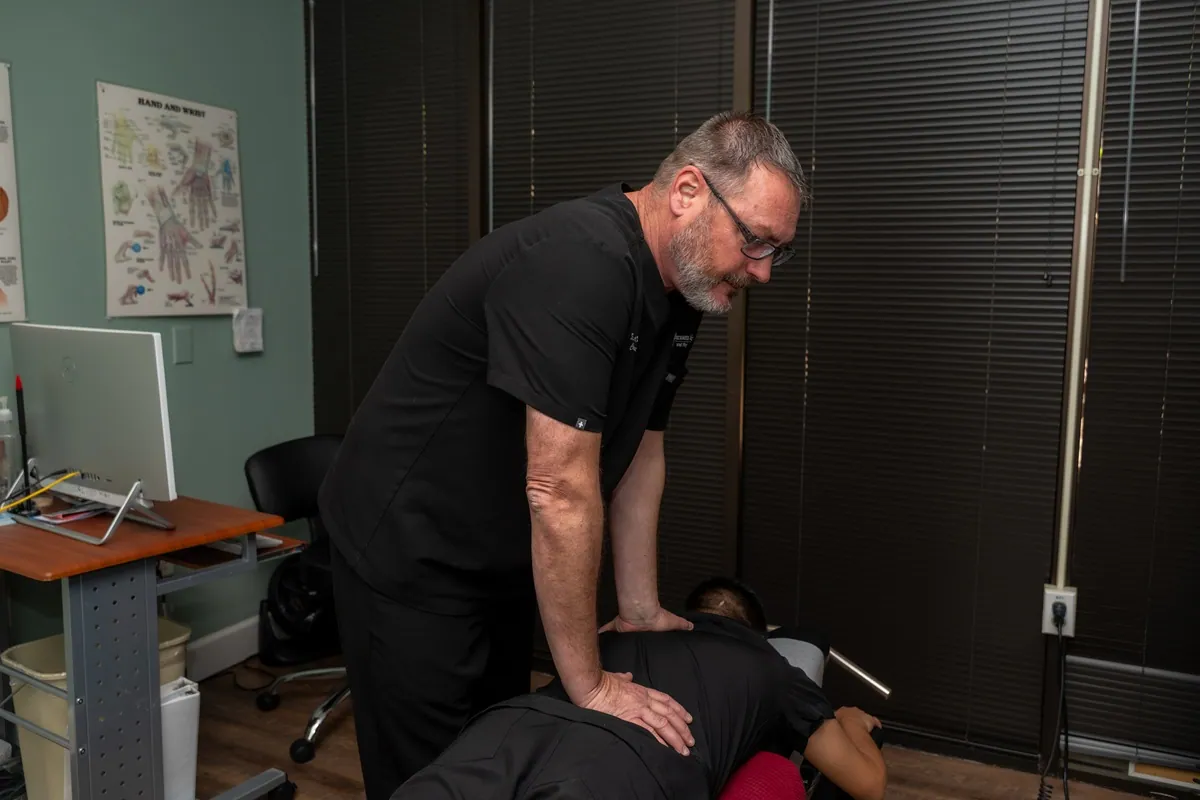
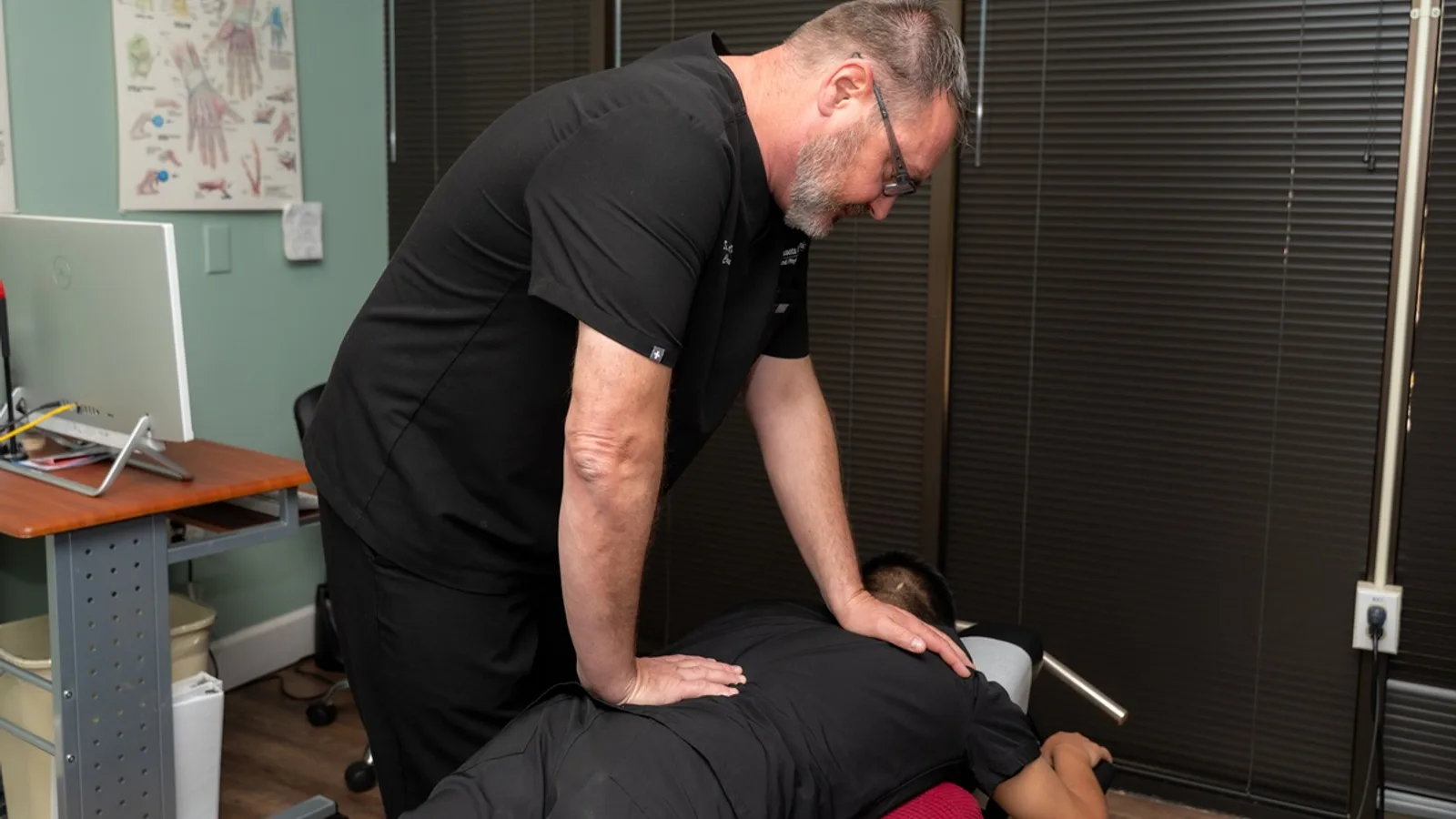
Chiropractic care is a non-surgical, drug-free approach to evaluating and managing the musculoskeletal and neurological causes of back pain. The American College of Physicians and other major health organizations have recognized spinal manipulation as one of the first-line conservative care options for non-specific low back pain — and evidence continues to support its role in improving pain, mobility, and function.
At Sarasota Chiropractic and Physical Therapy, Dr. Abraham Kozma does not apply a generic adjustment and send you on your way. Every patient receives a thorough evaluation that considers their history, their injury mechanism, their posture, their movement patterns, and their goals. The resulting care plan is built specifically around what that individual needs — not what worked for the last patient who walked in the door.
What makes this practice genuinely different is the integration of chiropractic care and physical therapy under one roof. Chiropractic adjustments work to restore proper alignment and motion to restricted spinal joints. Physical therapy addresses the muscular weaknesses, mobility deficits, and movement compensations that develop as a result of — or in response to — that dysfunction. Together, they treat the problem at multiple levels, giving the body the best possible foundation for real, lasting recovery.
Every session at our Sarasota practice is conducted one-on-one with your provider. You are not handed off to an assistant or left to work through a generic exercise sheet in a back corner. Your progress is tracked personally, your plan evolves as you improve, and you always have someone in your corner who knows exactly where you are in your recovery.
Practical Tips to Support Your Back Every Day
There is a lot you can do between visits — and a lot of small daily habits that either support or undermine your spine without you realizing it. These suggestions are not a replacement for professional care, but they are a meaningful complement to it.
Start with your sitting position. If you spend significant time at a desk, make sure your hips are slightly higher than your knees, your feet are flat on the floor, and your monitor is at eye level. A small lumbar support cushion behind the curve of your lower back can make a significant difference in the amount of strain placed on your spine during the workday. Avoid slumping or rounding forward, even when you are tired — the spine responds to the positions it is held in over time.
Movement is medicine. The spine thrives on gentle, consistent motion. Long periods of sitting compress the discs and reduce blood flow to the surrounding tissues. Getting up and walking for even a few minutes every hour is one of the most impactful things you can do for your back. Swimming, walking, and yoga are all excellent low-impact options that support spinal health without placing excessive load on vulnerable structures.
Sleep position matters more than most people realize. Sleeping on your back with a pillow under your knees, or on your side with a pillow between your knees, helps maintain the natural curves of the spine during rest. Stomach sleeping, while comfortable for some, places significant strain on the cervical and lumbar regions and is generally not recommended for those dealing with back pain.
Finally, pay attention to how you lift. Bending forward at the waist to pick something up — even something light — leverages enormous force through the lumbar discs. Bending at the knees, keeping the load close to your body, and engaging your core before lifting are simple mechanics that significantly reduce injury risk.
When to See a Chiropractor
Chiropractic care is appropriate for a wide range of back pain presentations — from the acute and sudden to the chronic and long-standing. If your back pain has been present for more than a few days and is not improving with rest, if it followed a car accident or physical trauma, or if it is affecting your ability to perform normal daily activities, those are all strong indicators that a professional evaluation is warranted.
If you notice pain that radiates into one or both legs, tingling or numbness below the knee, or weakness in your legs, these symptoms suggest possible nerve involvement and should be evaluated promptly. Dr. Abraham Kozma is experienced in identifying these presentations and determining the appropriate course of care — including when imaging or referral to another specialist is the right next step.
There are also red flags that go beyond the scope of chiropractic care and require immediate medical attention. These include back pain accompanied by loss of bladder or bowel control, pain that is severe and worsening without any positional relief, unexplained weight loss alongside back pain, or pain following significant trauma such as a fall or high-speed collision. If any of these apply to you, please seek emergency medical care right away.
Back Pain Causes vs. Warning Signs: A Quick Reference
Back Pain Cause |
Typical Symptoms |
Key Warning Signs to Watch |
|---|---|---|
|
Muscle or Ligament Strain |
Localized aching, stiffness, muscle spasms |
Worsening after 72 hours, inability to stand upright |
|
Herniated or Bulging Disc |
Radiating pain into legs or arms, tingling, numbness |
Progressive leg weakness, loss of bladder or bowel control |
|
Spinal Joint Dysfunction |
Stiffness, local pain that worsens with movement or rest |
Pain that does not change with any position |
|
Degenerative Disc Disease |
Chronic dull ache, stiffness in the morning, reduced range of motion |
Sudden worsening, new neurological symptoms |
|
Auto Accident Injury |
Delayed-onset pain, neck and low back stiffness, headaches |
Severe pain, limb weakness, difficulty walking |
|
Poor Posture / Sedentary Habits |
Gradual aching, fatigue, tension across the mid and lower back |
Pain that no longer responds to position changes or movement |
Myths vs. Facts About Back Pain
Myth: You Should Rest as Much as Possible When Your Back Hurts
Fact: Prolonged bed rest is actually one of the least effective approaches to back pain recovery. While rest may be appropriate immediately after an acute injury, staying still for extended periods allows muscles to weaken, joints to stiffen further, and the recovery process to stall. Gentle, guided movement — appropriate to the type and severity of the injury — consistently outperforms inactivity in both research and clinical practice.
Myth: If the X-Ray Came Back Clear, Your Back Is Fine
Fact: X-rays are excellent at showing bones, but they cannot reveal soft tissue injuries — including muscle tears, ligament damage, disc herniations, or nerve compression. Many of the most painful and functionally limiting back injuries simply do not show up on a standard X-ray. This is why a thorough clinical evaluation that includes movement testing, neurological assessment, and symptom history is so important — and why being sent home from urgent care with a clean X-ray result is not the same as a clean bill of health.
Myth: Back Pain Is Just a Normal Part of Getting Older
Fact: While degenerative changes in the spine are a natural part of aging, significant, function-limiting back pain is not something you simply have to accept. Many older adults live active, pain-free lives — and many younger people deal with chronic back pain. Age-related changes in the discs and joints do not automatically produce pain, and conservative care can meaningfully improve function and comfort at any age.
Myth: Chiropractic Adjustments Are Dangerous for the Spine
Fact: When performed by a licensed chiropractor following proper evaluation, spinal manipulation is widely regarded as a safe, low-risk intervention for appropriate candidates. Major health organizations — including the American College of Physicians — recognize it as a front-line option for low back pain. A skilled chiropractor will evaluate your history and presentation before any hands-on care and will adapt techniques to your specific situation.
Myth: Surgery Is Inevitable If the Pain Is Severe Enough
Fact: The overwhelming majority of back pain cases — including disc herniations — resolve or significantly improve with conservative care. Surgery is appropriate in specific situations, particularly when there is significant neurological compromise that is not responding to conservative management. But for most patients, a well-structured chiropractic and physical therapy plan represents the most effective and least invasive path forward.
Final Thoughts from Sarasota Chiropractic and Physical Therapy
Back pain has a way of making the world feel smaller. It limits where you can go, what you can do, and how present you can be in your own life. But understanding the source of your discomfort is genuinely empowering — because once you know what is actually happening in your body, you can make informed decisions about what to do next.
At Sarasota Chiropractic and Physical Therapy, we have been helping Sarasota residents find real answers and real relief for over 25 years. Dr. Abraham Kozma and our integrated care team believe that every patient deserves an honest evaluation, a clear explanation of what is going on, and a personalized plan built around their goals — not a generic protocol or a quick fix that doesn’t last.
Whether your back pain started after a car accident on I-75, built up gradually over years of desk work, or showed up without obvious cause, we are here to help you make sense of it and move forward. Sarasota is a community that loves to move — and we are honored to be the practice that helps so many of its residents get back to doing exactly that.
If your back pain is interfering with your life, don’t wait for it to get worse. Call to schedule your appointment with our team at Sarasota Chiropractic and Physical Therapy. You deserve more than pain pills and guesswork. You deserve a plan.
Frequently Asked Questions About Back Pain
How do I know if my back pain is muscular or something more serious?
Muscular back pain is typically localized, worsens with specific movements, and improves with gentle activity and rest over several days. Pain that radiates into your legs or arms, causes numbness or tingling, or does not improve with any position change may indicate disc, joint, or nerve involvement. A proper chiropractic evaluation is the most reliable way to distinguish between the two and get the right care started.
Can back pain from a car accident appear days later?
Yes — this is very common. Adrenaline released during the trauma of an accident often masks pain in the immediate aftermath. Soft tissue injuries to muscles, ligaments, and discs can take 24 to 72 hours — or even longer — to fully present. If you were in an accident and your back feels fine initially but pain develops in the days that follow, do not dismiss it as unrelated to the crash.
How long does it typically take to recover from back pain with chiropractic care?
Recovery timelines vary significantly depending on the cause of the pain, how long it has been present, and the individual patient’s health and response to care. Acute injuries often show meaningful improvement within a few weeks of consistent treatment, while chronic or complex presentations may require a longer structured plan. Dr. Abraham Kozma will give you an honest assessment of your expected progress based on your specific evaluation.
Is it safe to exercise with back pain?
In many cases, gentle movement and exercise are not only safe but beneficial for back pain recovery. However, the type, intensity, and timing of exercise matters enormously — the wrong movement at the wrong stage of recovery can set progress back. Our integrated team at Sarasota Chiropractic and Physical Therapy can guide you through exactly which movements are appropriate for where you are in your healing process.
Does chiropractic care help with lower back pain specifically?
Lower back pain is one of the most researched areas in chiropractic care. Evidence from major health bodies, including guidance from the American College of Physicians, supports spinal manipulation as an effective first-line conservative option for non-specific low back pain. When combined with physical therapy, outcomes tend to be even more comprehensive in addressing both the structural and functional contributors to pain.
What should I expect at my first visit to Sarasota Chiropractic and Physical Therapy?
Your first visit includes a thorough consultation and physical examination where Dr. Abraham Kozma takes the time to understand your full history, current symptoms, and goals. You will leave with a clear picture of what is contributing to your pain and a specific plan for how to address it — not just a general recommendation to rest and take ibuprofen. Every visit after that is one-on-one, progress-focused, and built around you.
TL;DR — Key Takeaways
-
Back pain is a symptom, not a diagnosis — identifying the actual cause (muscle strain, disc herniation, joint dysfunction, postural imbalance, or accident injury) is essential for effective treatment.
-
Car accidents are a significant and often delayed source of back pain — do not assume you are uninjured just because you felt okay immediately after the crash.
-
Chiropractic care combined with physical therapy addresses back pain at both the structural and functional level, offering a non-surgical, drug-free path to recovery.
-
Daily habits — posture, movement, sleep position, and lifting mechanics — either support or undermine your spine, and small adjustments can make a meaningful difference.
-
If your back pain is limiting your daily life, a professional evaluation with Dr. Abraham Kozma at Sarasota Chiropractic and Physical Therapy in Sarasota, FL is the clearest next step toward real relief.

Dr. Abraham Kozma
Dr. Abe Kozma is a licensed chiropractor serving the Sarasota, FL community. He is a graduate of Life University in Marietta, GA.