Back pain is one of the most common reasons people in Sarasota seek medical attention — and for many, the fear that it might eventually lead to surgery is very real. If you’ve been dealing with persistent back pain, you’ve probably wondered at some point whether the operating table is in your future. The good news is that the vast majority of people with back pain — even severe back pain — never need surgery. Understanding when surgery is actually warranted, and what conservative care can accomplish first, is one of the most empowering things you can do for your recovery.
What does “surgery as a last resort” actually mean for back pain?
It means that surgical intervention should only be considered after conservative, non-invasive treatment options have been thoroughly explored and have not provided adequate relief. For most types of back pain, evidence-based guidelines consistently recommend starting with approaches like chiropractic care, physical therapy, movement rehabilitation, and lifestyle modifications before any surgical evaluation is pursued.
- Why Surgery Is Rarely the First Answer
- Common Causes of Back Pain Worth Understanding
- The Case for Conservative Care First
- How Chiropractic Care and Physical Therapy Fit In
- Practical Steps to Support Your Back Without Surgery
- When to See a Chiropractor for Back Pain
- Conservative Care vs. Surgical Options: A Side-by-Side Look
- Myths vs. Facts About Back Surgery
- Final Thoughts from Sarasota Chiropractic And Physical Therapy
Why Surgery Is Rarely the First Answer
It’s understandable to want a definitive solution when your back pain is affecting your sleep, your job, and everything in between. Surgery can feel like the most decisive option — but in most cases, it’s not the most effective first step, and it carries real risks that conservative care simply doesn’t.
Major medical organizations, including the American College of Physicians (ACP) and the National Institute for Health and Care Excellence (NICE), consistently recommend non-surgical approaches as the first line of management for most back pain presentations. Research published in journals like Spine and reviewed by the Cochrane Library supports this position — showing that patients who pursue structured conservative care often achieve outcomes comparable to those who opt for surgery, without the recovery time, complications, or costs that come with an operation.
Here in Sarasota, we see this play out regularly. Patients come into Sarasota Chiropractic And Physical Therapy convinced they’re headed toward surgery — and after a thorough evaluation and a structured care plan, many find meaningful relief without ever needing to go under the knife. That’s not a coincidence. It’s what the evidence supports.
Common Causes of Back Pain Worth Understanding
To understand why surgery is so rarely necessary, it helps to understand what’s actually going on in your back. The spine is a complex, resilient structure — and most of the conditions that cause pain are mechanical in nature, meaning they involve how the bones, discs, joints, and muscles are moving and functioning together.
Some of the most common causes of back pain include herniated or bulging discs, muscle strain and ligament sprains, facet joint dysfunction, sacroiliac joint irritation, and degenerative disc changes. These are real, legitimate sources of pain — but they are also conditions that frequently respond well to conservative care. A herniated disc, for example, can cause significant pain and nerve irritation, yet research suggests that many disc herniations reduce in size naturally over time, especially when supported by appropriate manual therapy and rehabilitation.
Spinal stenosis — a narrowing of the spinal canal that can compress nerves — is another condition that often leads patients to consider surgery. While severe stenosis with significant neurological compromise is a different matter, many people with mild to moderate stenosis find that a combination of chiropractic care and physical therapy helps manage their symptoms effectively and maintains their quality of life.
The point is this: a diagnosis on an MRI or X-ray doesn’t automatically mean you need surgery. Imaging findings need to be interpreted alongside your actual symptoms, functional limitations, and how you’ve responded to care. Dr. Abraham Kozma and the team at Sarasota Chiropractic And Physical Therapy take exactly that approach — looking at the full picture, not just the scan.
The Case for Conservative Care First
Conservative care is not a passive approach. Done right, it’s an active, structured, and personalized plan to address the root causes of your back pain — not just mask the symptoms. And the evidence for it is strong.
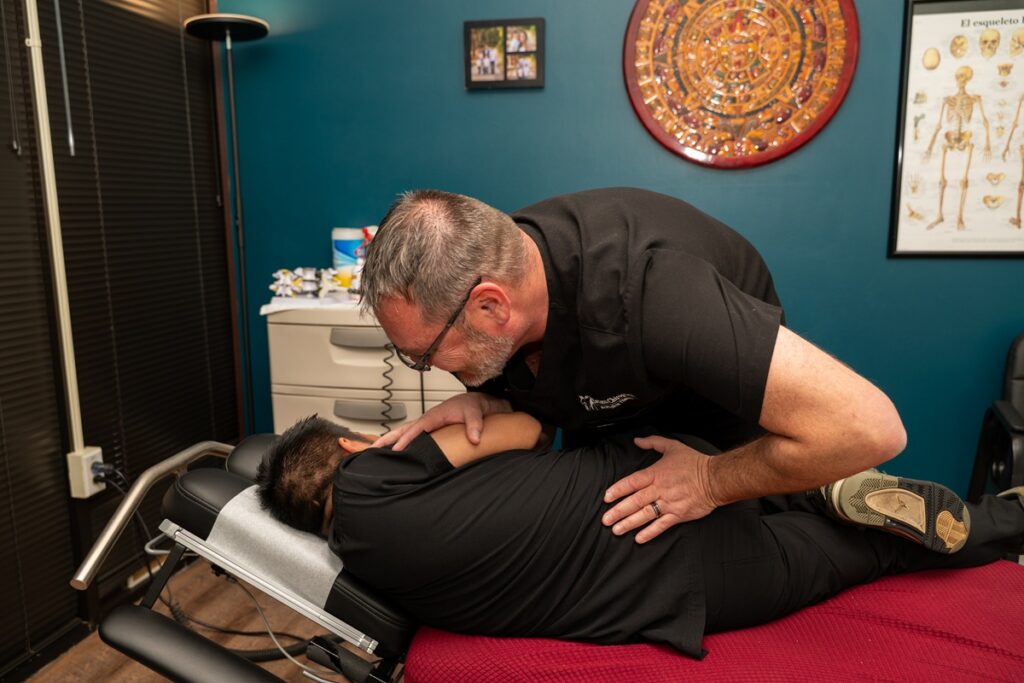
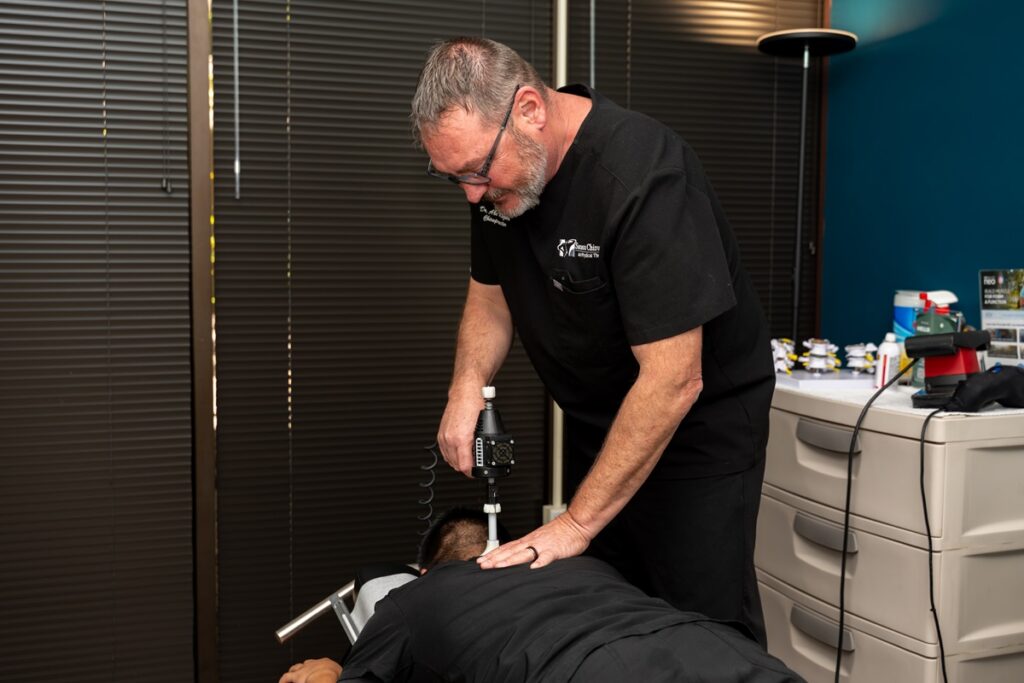
A structured course of conservative care for back pain typically includes spinal manipulation or chiropractic adjustments to restore joint mobility, targeted physical therapy exercises to rebuild strength and flexibility, soft tissue work to address muscular tension and trigger points, and education around posture, movement patterns, and lifestyle modifications. When these elements are combined under one roof and delivered by providers who communicate with each other, the results are often significantly better than fragmented care.
This is one of the key reasons Sarasota Chiropractic And Physical Therapy was built the way it was. Integrating chiropractic care and physical therapy into a single, coordinated plan — with one-on-one attention from your provider at every visit — is not standard in Sarasota. But it’s the standard of care that produces real, lasting results for back pain patients who haven’t been able to find relief elsewhere.
It’s also worth noting that surgery for back pain is not without risk. Even relatively routine spinal procedures carry the potential for infection, nerve damage, failed back surgery syndrome, and prolonged recovery. These aren’t reasons to fear surgery if it’s truly necessary — but they are very good reasons to exhaust conservative options first and to enter any surgical conversation fully informed.
How Chiropractic Care and Physical Therapy Fit In
Chiropractic care works by addressing joint dysfunction in the spine — restoring proper movement, reducing nerve irritation, and helping your body’s natural healing mechanisms do their job more effectively. Spinal manipulation, the primary tool of chiropractic care, has been shown in multiple reviews to be effective for both acute and chronic low back pain, and it is recommended by major health organizations as a first-line treatment.
Physical therapy builds on what chiropractic care addresses structurally. Through guided exercise, neuromuscular re-education, and functional movement training, physical therapy helps patients rebuild the strength and coordination that protects the spine from future injury. For many back pain patients, the combination of these two disciplines produces outcomes that neither could achieve as effectively alone.
At Sarasota Chiropractic And Physical Therapy, Dr. Abraham Kozma works with patients to develop individualized care plans that draw from both disciplines based on what each patient actually needs. This isn’t a one-size-fits-all protocol — it’s a real plan built around your specific injury, your lifestyle here in Sarasota, and your goals for recovery.
Whether your back pain stems from a recent auto accident, years of cumulative stress, or a specific injury, the integrated approach at Sarasota Chiropractic And Physical Therapy is designed to meet you where you are and build toward where you want to be — without rushing you toward intervention you don’t need.
Practical Steps to Support Your Back Without Surgery
While professional care is essential for meaningful recovery, there are also everyday habits that support a healthier spine and reduce the likelihood that your condition will progress to a point where surgery becomes a conversation. These aren’t replacements for professional evaluation — they’re supportive practices that work alongside your care plan.
Movement matters more than most people realize. Staying active — even with modified movement during a flare-up — generally produces better outcomes than extended bed rest. Prolonged inactivity can weaken the muscles that support your spine and actually slow the healing process. Walking is often one of the safest and most beneficial activities for back pain, as it promotes circulation, gently loads the spine, and keeps the joints mobile.
Ergonomics at work deserve serious attention, especially if you spend long hours at a desk. Poor seated posture, an improperly set-up workstation, and prolonged static positions all contribute to back pain and slow recovery. Raising your monitor to eye level, supporting your lumbar curve, and taking brief movement breaks every 30 to 45 minutes are changes that make a genuine difference over time.
Sleep position also plays a role. Sleeping on your side with a pillow between your knees, or on your back with a pillow under your knees, can significantly reduce spinal stress compared to stomach sleeping. These small adjustments add up across the hours you spend in bed each night.
When to See a Chiropractor for Back Pain
Honestly, the sooner you seek a professional evaluation for back pain, the better. Early intervention — before compensatory patterns set in and before acute pain becomes chronic — gives conservative care the best possible chance to succeed. If your back pain has lasted more than a few days, is significantly limiting your movement, or is radiating down your leg, it’s time to be evaluated by a provider who can assess what’s actually going on.
Chiropractic care is appropriate for a wide range of back pain presentations, including herniated discs, facet syndrome, muscle strains, post-accident pain, and chronic low back pain. At Sarasota Chiropractic And Physical Therapy, the evaluation process includes a thorough history, functional assessment, and a clear explanation of what’s found and what care is recommended — so you always know what’s happening and why.
There are, however, certain red flags that indicate a need for immediate medical attention rather than chiropractic care. These include loss of bladder or bowel control, severe progressive neurological weakness (such as foot drop or sudden leg weakness), pain following significant trauma, and unexplained weight loss accompanying back pain. If you experience any of these, please seek emergency medical care. These are signs that something more serious may be occurring and requires urgent evaluation.
Surgical consultation may genuinely be appropriate when conservative care has been applied consistently over a sufficient period — typically several weeks to months — and functional improvement is not occurring, or when nerve compression is causing progressive neurological deficits. The key word is “consistently.” A few sessions here and there don’t count as a thorough trial of conservative care. Dr. Abraham Kozma is straightforward about this: when surgery is truly the right next step, he will say so and support the appropriate referral. Honesty is part of the care here.
Conservative Care vs. Surgical Options: A Side-by-Side Look
| Factor | Conservative Care (Chiropractic + PT) | Surgical Intervention |
|---|---|---|
| Invasiveness | Non-invasive; no incisions or anesthesia | Invasive; involves incisions, anesthesia, and hospital stay |
| Risk Profile | Very low risk when properly applied | Carries risks including infection, nerve damage, failed back surgery syndrome |
| Recovery Time | Varies; many patients see improvement within weeks | Weeks to months of post-surgical rehabilitation required |
| Recommended First? | Yes — recommended as first-line by ACP, NICE, and WHO guidelines | Generally recommended only after conservative care has been exhausted |
| Addresses Root Cause | Yes — targets joint mobility, muscle function, and movement patterns | Addresses structural issues but may not resolve functional deficits without rehabilitation |
| Outcome Comparability | Evidence suggests outcomes are often comparable to surgery for many diagnoses | May be necessary for specific severe conditions; outcomes vary by procedure and patient |
Myths vs. Facts About Back Surgery
Myth: If the MRI shows a herniated disc, surgery is inevitable.
Fact: MRI findings do not dictate the treatment path. Many people have herniated discs visible on imaging that cause no symptoms at all, and many symptomatic herniations resolve or significantly reduce with conservative care over time. Imaging findings must always be considered alongside clinical symptoms and function — not in isolation.
Myth: Chiropractic care isn’t safe if you have a disc problem.
Fact: Chiropractic care, when properly evaluated and applied, is considered a safe and effective approach for many disc-related conditions, including herniated and bulging discs. A thorough evaluation helps identify any contraindications, and care plans are adapted accordingly. Organizations like the ACP include spinal manipulation in their evidence-based recommendations for low back pain.
Myth: Surgery will definitely fix the problem once and for all.
Fact: Surgical outcomes for back pain vary considerably depending on the specific condition, patient health, and post-surgical rehabilitation. Failed back surgery syndrome — persistent pain following a technically successful surgery — is a recognized clinical reality. This is why surgery is best reserved for situations where it is clearly necessary and where the patient has been well-prepared for realistic expectations.
Myth: Severe pain means you need surgery.
Fact: Pain intensity does not directly correlate with the need for surgical intervention. Severe pain can often be caused by conditions that respond very well to conservative care. Conversely, some conditions that warrant surgical evaluation may not always present with the highest pain levels. A proper clinical evaluation — not pain level alone — guides the appropriate treatment decision.
Myth: Once you’ve tried chiropractic care, there’s nothing left to try before surgery.
Fact: A brief or incomplete course of chiropractic care is very different from a full, integrated, and consistently applied conservative care plan. When chiropractic care is combined with physical therapy in a coordinated, personalized plan — as provided at Sarasota Chiropractic And Physical Therapy — the outcomes are meaningfully different than occasional adjustments without a broader rehabilitation strategy.
Final Thoughts from Sarasota Chiropractic And Physical Therapy
Living with back pain in Sarasota shouldn’t mean living in fear of surgery. For the overwhelming majority of patients, back pain — even serious, persistent back pain — can be addressed through conservative care that’s thoughtful, structured, and delivered by providers who genuinely know what they’re doing.
At Sarasota Chiropractic And Physical Therapy, Dr. Abraham Kozma and the care team have spent over two decades helping Sarasota residents find their way back from back pain without unnecessary intervention. The combination of chiropractic care and physical therapy under one roof, with true one-on-one attention at every visit, means that patients here receive the kind of integrated, personalized care that actually moves the needle — whether the pain is from a car accident, a workplace injury, or years of cumulative wear.
Surgery may sometimes be the right answer. When it is, we’ll be honest with you about that, support you in getting the referral you need, and be ready to help you rehabilitate effectively afterward. But surgery as a starting point? That’s rarely the path that serves you best — and we’re here to help you explore every real alternative first.
If back pain has been slowing you down, limiting your activity, or making you wonder what comes next, let’s talk. Call to schedule your appointment with Sarasota Chiropractic And Physical Therapy and take the first step toward understanding what’s actually going on — and what recovery can realistically look like for you.
Frequently Asked Questions
How long should I try conservative care before considering surgery for back pain?
Most evidence-based guidelines recommend a consistent course of conservative care — typically ranging from six weeks to several months — before surgical consultation is considered, unless there are urgent neurological symptoms. The key is that care must be regular, structured, and properly applied. Dr. Abraham Kozma will assess your progress at each visit and be transparent about when a different direction may be appropriate.
Can chiropractic care help if I’ve already had back surgery?
In many cases, yes. Post-surgical chiropractic care can support rehabilitation and help address areas of compensatory stress that develop after spinal surgery. A thorough evaluation is essential to determine what care is safe and appropriate based on the specific procedure performed and your current condition. This is something our team at Sarasota Chiropractic And Physical Therapy evaluates on an individual basis.
What conditions most commonly lead to necessary back surgery?
Conditions that may genuinely warrant surgical evaluation include severe spinal stenosis causing significant neurological deficit, large disc herniations with progressive nerve damage, spinal instability from fracture or spondylolisthesis, and cauda equina syndrome. Even with these conditions, surgery is not always immediately indicated — clinical severity and response to conservative care remain important factors in the decision.
Is back pain after a car accident different from other types of back pain?
It can be. Auto accident injuries often involve sudden, forceful loading of the spine that can cause disc injuries, ligament damage, and joint dysfunction that may not present immediately after the collision. These injuries benefit from early and thorough evaluation and often respond well to integrated chiropractic and physical therapy care. At Sarasota Chiropractic And Physical Therapy, we specialize in exactly this type of injury recovery.
Will my insurance cover chiropractic care and physical therapy before surgery?
Most insurance plans, including personal injury protection (PIP) coverage relevant to auto accident patients in Florida, include coverage for conservative care such as chiropractic and physical therapy. The specifics depend on your individual plan and situation. Our team at Sarasota Chiropractic And Physical Therapy helps patients understand their coverage and navigate that process — so the financial side doesn’t become a barrier to getting the care you need.
Can back pain ever go away on its own without treatment?
Some mild, acute back pain does resolve on its own over time. However, pain that persists beyond a few weeks, is severe, or is accompanied by radiating symptoms warrants professional evaluation. Waiting too long can allow the underlying condition to progress and can make recovery more complex. Early intervention consistently produces better outcomes than delayed care.
TL;DR — Key Takeaways
- Surgery for back pain is rarely necessary as a first step — major health guidelines recommend conservative care, including chiropractic and physical therapy, before surgical evaluation is considered.
- Most common back pain conditions, including herniated discs, facet dysfunction, and muscle strain, respond well to non-invasive, integrated care when it is consistently and properly applied.
- Red flags such as loss of bladder or bowel control, progressive neurological weakness, or severe trauma-related pain warrant immediate medical attention — not chiropractic care.
- Sarasota Chiropractic And Physical Therapy offers an integrated chiropractic and physical therapy approach with one-on-one care at every visit, giving patients a real, personalized alternative to surgical intervention.
- If you’re in the Sarasota area and managing back pain, an honest evaluation is the best place to start — call to schedule your appointment and find out what your options actually are.