How Are Sleep, Stress, and Pain Connected?
If you’ve ever noticed that a rough night of sleep leaves you achier than usual, or that a stressful week at work seems to tighten every muscle in your neck and shoulders, you’re not imagining it. Sleep, stress, and pain are deeply connected — and for many people right here in Sarasota, that connection becomes a frustrating cycle that feels impossible to break. Understanding why these three things are so intertwined is one of the most important steps you can take toward feeling like yourself again. Whether you’re recovering from a car accident, dealing with chronic back pain, or simply trying to get ahead of your body before things get worse, this is worth your time to read.
How Are Sleep, Stress, and Pain Connected?
Sleep, stress, and pain influence each other in a continuous loop — poor sleep raises stress levels and lowers pain tolerance, stress disrupts sleep and tightens muscles, and unmanaged pain makes both sleeping and relaxing significantly harder. When all three are elevated at the same time, the body struggles to heal, recover, or regulate itself the way it was designed to.
Why Sleep, Stress, and Pain Are Connected
The human body isn’t made up of isolated systems that work independently. Everything is interconnected — your nervous system, your musculoskeletal system, your immune response, your hormones. Sleep, stress, and pain all run through this same interconnected network, which is why pulling on one thread tends to unravel the others.
When your body is under stress — whether it’s emotional, physical, or the kind that follows a traumatic event like a car accident — it activates what’s known as the fight-or-flight response. Your nervous system releases hormones like cortisol and adrenaline, your muscles tighten, your heart rate increases, and your body essentially goes on high alert. This is a brilliantly designed survival mechanism. The problem is that modern life, and especially injury recovery, can keep that system activated for far too long.
Chronic stress keeps your nervous system in a state of tension. That tension is felt in your muscles, particularly in the neck, shoulders, and lower back — some of the most common areas where our patients at Sarasota Chiropractic and Physical Therapy come in seeking relief. Add disrupted sleep to the equation, and the body simply doesn’t get the restoration window it needs to calm inflammation, repair tissue, or reset the nervous system. Pain becomes the predictable result.
How Poor Sleep Makes Pain Worse
Sleep isn’t passive recovery. While you’re asleep, your body is doing some of its most important work — repairing muscle tissue, regulating inflammation, consolidating how your nervous system processes sensory input, and releasing growth hormones that support healing. When sleep is cut short or disrupted night after night, all of that work gets left undone.
Research suggests that sleep deprivation lowers the body’s pain threshold, meaning that stimuli you might normally tolerate become more uncomfortable or even painful. This is particularly relevant for patients who are already dealing with injury-related pain from something like whiplash or a lower back strain following a car accident. The pain they’re already experiencing can feel significantly amplified when they’re also sleep deprived.
There’s also a neurological component worth understanding. Deep sleep is when your brain processes and modulates pain signals through what’s called the descending pain inhibitory system — essentially your brain’s built-in pain management network. Without adequate deep sleep, that system becomes less effective, and the same nerve signals that would have been dampened now register with more intensity. This is one reason why people who sleep well after an injury often feel noticeably better than those who don’t — even when the physical injury is comparable.
Here in Sarasota, we see this often. A patient comes in after an accident, they’re in pain, they can’t sleep because of the pain, and then the sleep deprivation makes the pain worse the next day. It’s a pattern Dr. Abraham Kozma and the team at Sarasota Chiropractic and Physical Therapy recognize immediately — and it’s one we work directly to address.
What Stress Actually Does to Your Body
Stress has a very real physical impact on your musculoskeletal system, and it’s worth understanding what’s happening beneath the surface. When your nervous system perceives a threat — again, whether that’s an emotional stressor or the physical trauma of an accident — your muscles respond by contracting and guarding. This is a protective mechanism. Your body is trying to shield you.
But when that guarding persists because the stress doesn’t let up, those muscles stay shortened and tight. Over time, sustained muscle tension contributes to postural changes, restricted movement, joint compression, and even referred pain that can travel into the arms, legs, or head. Tension headaches are a perfect example of stress-driven physical dysfunction — the muscles of the neck and upper back get so locked up that they create pain patterns that radiate into the skull.
Cortisol, the primary stress hormone, also has an impact on inflammation. In the short term, cortisol can actually reduce inflammation. But chronically elevated cortisol — the kind that comes from prolonged stress — disrupts the body’s inflammatory regulation, sometimes contributing to increased systemic inflammation. For someone recovering from an injury, that’s the last thing the body needs.
There’s also a clear psychological dimension. Anxiety and stress affect how we perceive and process pain. Evidence indicates that patients who are under significant emotional stress tend to report higher pain levels and have longer recovery timelines than those with lower stress loads. This isn’t a reflection of toughness or mindset — it’s biology. The nervous system is processing everything at once, and when the burden is high, pain signals get amplified.
The Vicious Cycle — And How to Interrupt It
Here’s what makes this topic so important for anyone in active recovery: sleep, stress, and pain don’t just affect each other in one direction — they feed each other in a loop. Pain disrupts sleep. Poor sleep elevates stress and lowers pain tolerance. Elevated stress tightens muscles and sensitizes nerves. Sensitized nerves make the pain worse. And so on.
This cycle is especially common for auto accident patients, who are often managing physical pain while also dealing with the stress of insurance paperwork, missed work, legal questions, and the unsettling experience of having been through a traumatic event. That’s a lot of input for the nervous system to handle at once. Without a structured plan to address the physical component — and ideally some guidance on managing the broader stressors — recovery tends to stall.
Interrupting the cycle requires addressing it from multiple angles. You can’t simply rest your way out of it, and taking a pain reliever doesn’t resolve the underlying tension or the disrupted sleep architecture. What the body needs is hands-on care that helps the nervous system downregulate, muscles release, joints move freely, and the whole system begin to shift back toward a healing state.
That’s exactly the kind of integrated approach that Dr. Abraham Kozma and the team here at Sarasota Chiropractic and Physical Therapy are built around. Addressing the structural, neurological, and functional elements of recovery together — not in isolation — is what makes the difference between managing pain and actually moving through it.
How Chiropractic Care Fits Into the Picture
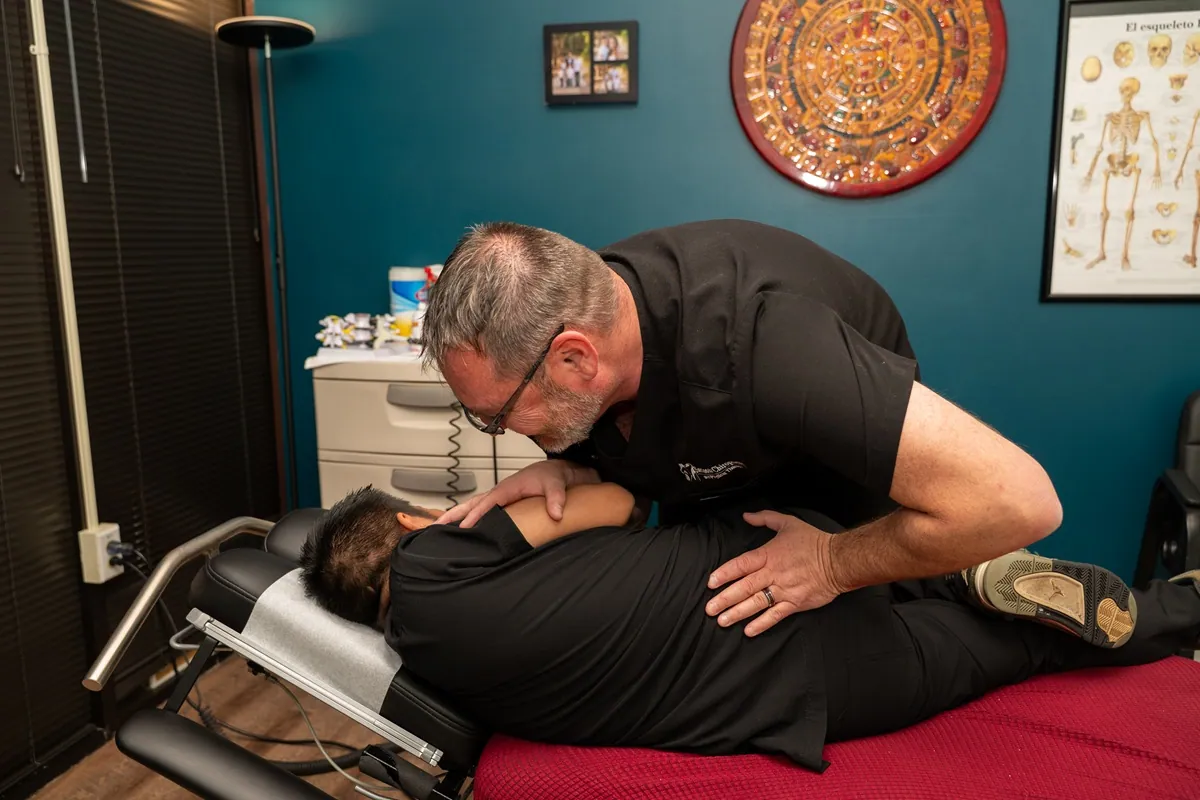
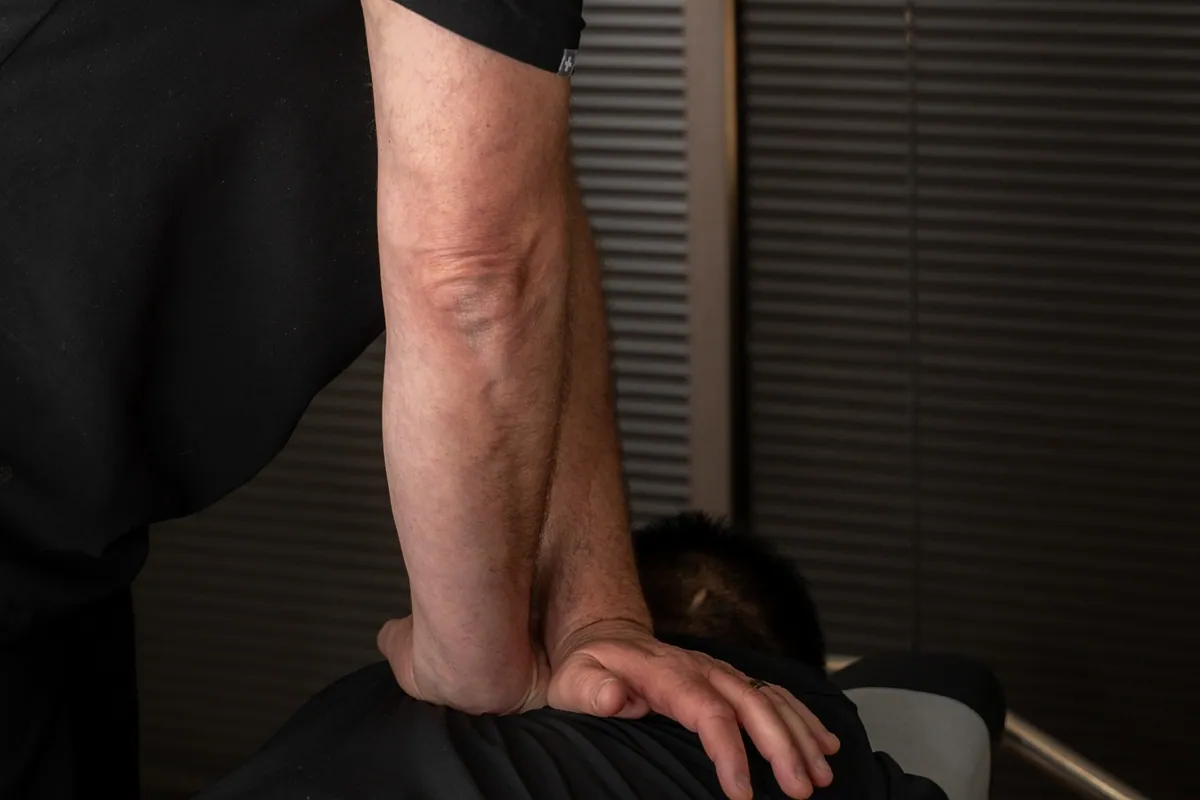
Chiropractic care has a well-established role in addressing musculoskeletal pain, but its connection to sleep and stress is worth highlighting separately. Spinal adjustments work in part by influencing the nervous system — helping to reduce the hyperactivation that keeps your body in a guarded, tense state. When joints are misaligned or restricted, they can create ongoing irritation in the surrounding nerves, which contributes to both pain signaling and the body’s overall stress response. Correcting those restrictions through adjustments is a direct intervention in that process.
Evidence indicates that chiropractic care can help reduce muscle tension, improve joint mobility, and support the nervous system in shifting from a sympathetic (fight-or-flight) dominant state toward a more parasympathetic (rest-and-recover) dominant state. Many patients report sleeping better and feeling calmer after beginning a course of chiropractic care — not because anything mystical is happening, but because the physical burden their nervous system was carrying has been reduced.
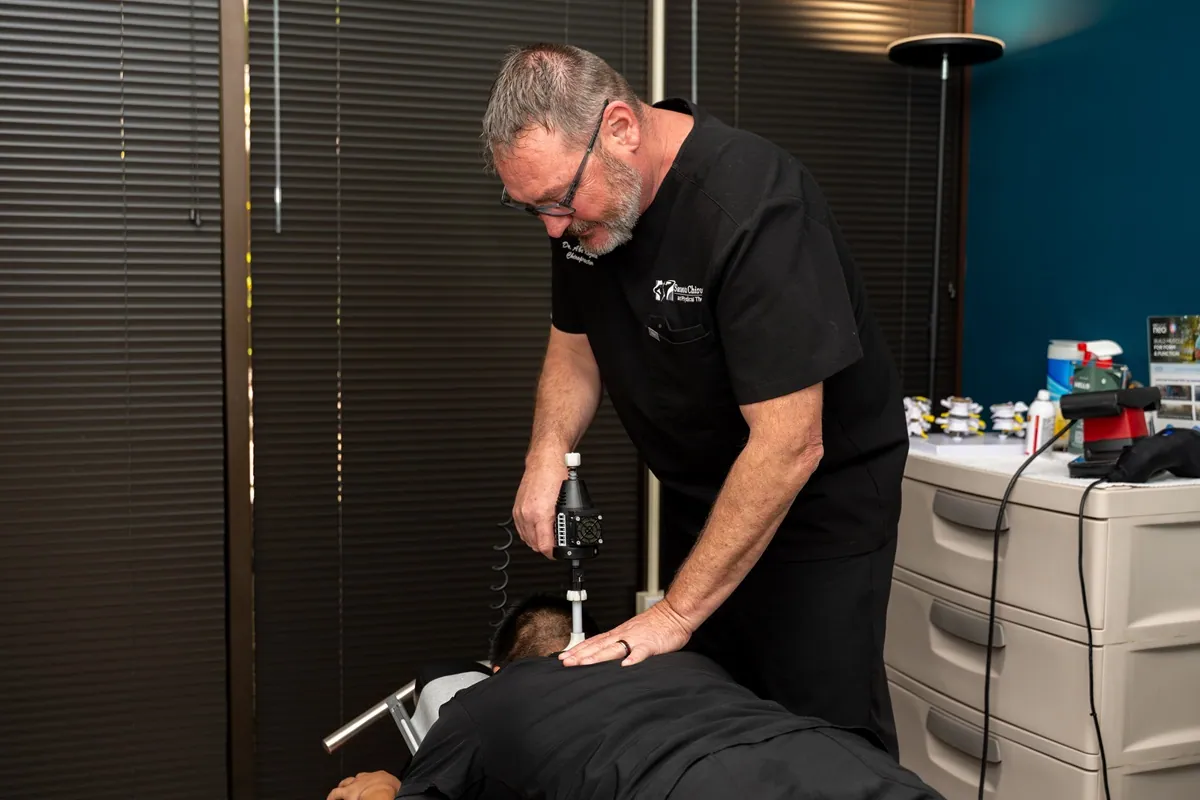
At Sarasota Chiropractic and Physical Therapy, care goes beyond the adjustment. The integrated model here combines chiropractic with physical therapy in a way that directly addresses the functional movement deficits and muscle imbalances that develop when your body has been under sustained stress or injury. Every visit with Dr. Abraham Kozma involves one-on-one attention — your progress is tracked personally, your plan evolves with you, and nothing gets missed. For Sarasota patients recovering from car accidents or dealing with chronic pain patterns tied to sleep and stress, this kind of comprehensive, coordinated care makes a real difference.
Factor |
How It Affects the Body |
How Chiropractic + PT Can Help |
|---|---|---|
|
Poor Sleep |
Lowers pain threshold, increases inflammation, impairs tissue repair |
Nervous system regulation through adjustments; reduced pain improves sleep quality |
|
Chronic Stress |
Elevates cortisol, tightens muscles, amplifies pain signals |
Manual therapy relieves muscle tension; restoring joint function reduces nervous system burden |
|
Persistent Pain |
Disrupts sleep, triggers stress response, limits daily function |
Targeted spinal care and physical therapy address root causes, not just symptoms |
|
Muscle Tension (Stress-Driven) |
Leads to restricted movement, postural imbalances, referred pain |
Soft tissue techniques, therapeutic exercise, and alignment restore function |
Practical Tips to Support Your Recovery
While professional care is important, there are meaningful things you can do day-to-day to support your body’s ability to sleep better, manage stress, and reduce pain. These aren’t magic solutions — they’re real, practical habits that work alongside a structured treatment plan.
Start with your sleep environment. Keep your bedroom cool, dark, and consistent. Going to bed and waking up at the same time each day helps regulate your body’s natural rhythm and supports better deep sleep — which, as we discussed, is where so much of the healing happens. Sleeping on a supportive mattress and pillow that keeps your spine in a neutral position is something Dr. Abraham Kozma and the Sarasota Chiropractic and Physical Therapy team often discuss with patients who are experiencing neck or back pain that worsens overnight.
For stress, movement is one of the most effective tools available. Light walking, gentle stretching, or even slow breathing exercises can help shift the nervous system out of that chronic fight-or-flight state. These don’t need to be intense workouts — especially if you’re in recovery. Gentle, consistent movement tells your body that it’s safe, which is exactly what an overactivated nervous system needs to hear.
Limit screens in the hour before bed, be mindful of caffeine after early afternoon, and try to identify the specific stressors that are keeping your nervous system elevated. Sometimes the paperwork, the insurance calls, or the uncertainty around your injury is the biggest driver — and that’s exactly the kind of burden the team at Sarasota Chiropractic and Physical Therapy helps patients navigate alongside their physical recovery.
When to See a Chiropractor
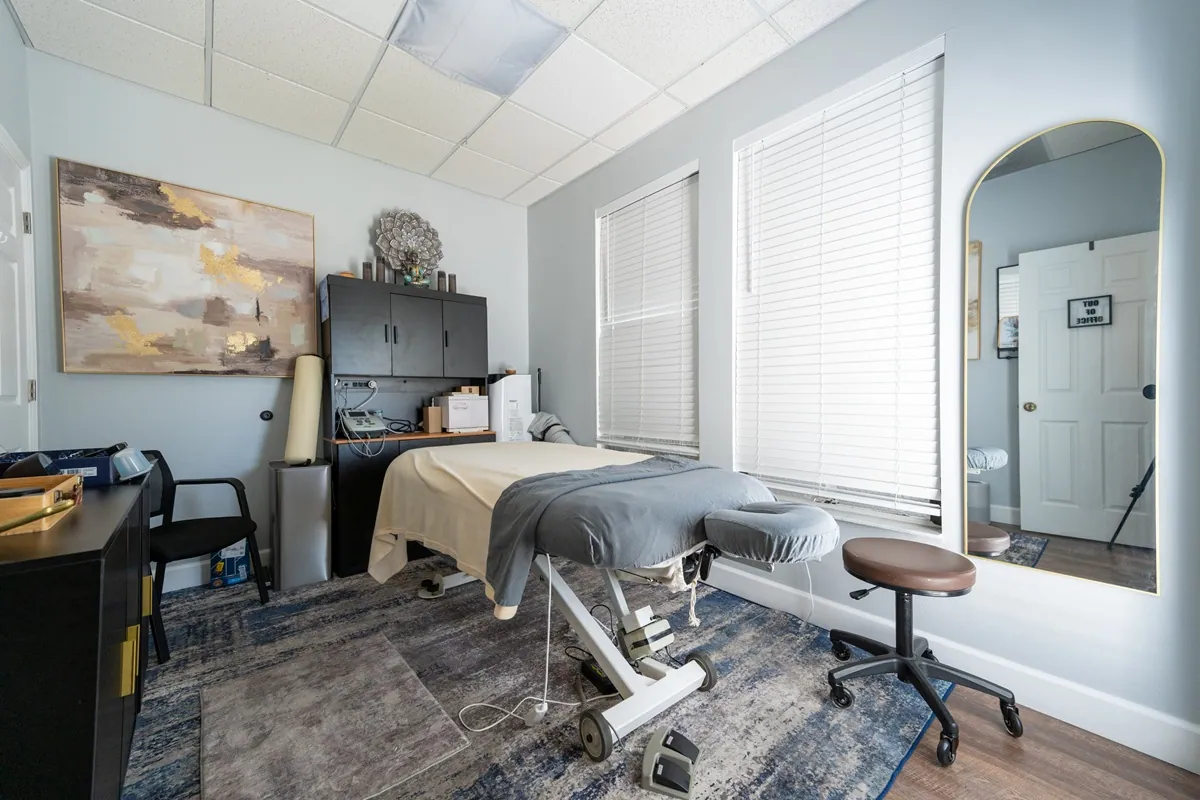
If you’ve been dealing with pain that isn’t resolving on its own — especially if you’ve noticed it worsening with poor sleep or stressful periods — that’s a clear signal to seek professional evaluation. Waiting rarely improves the situation, and in many cases it allows compensatory patterns to develop that become harder to unwind over time.
You should consider scheduling an evaluation at Sarasota Chiropractic and Physical Therapy if you are experiencing neck pain, back pain, or headaches that have persisted for more than a few days; if you recently had a car accident and are beginning to feel delayed symptoms; or if your pain is interfering with your ability to sleep, work, or participate in the activities that make life in Sarasota worthwhile.
There are also red flags that warrant immediate medical attention rather than chiropractic care — these include sudden severe pain accompanied by fever, unexplained weight loss, loss of bladder or bowel control, numbness or weakness spreading into both legs, or pain following significant trauma. Our team will always refer out when necessary and will never push care beyond what’s appropriate for your situation. Honest guidance is part of how we operate.
Myths vs. Facts About Sleep, Stress, and Pain
Myth: Pain Is Always the Primary Problem — Sleep and Stress Are Secondary
Fact: Sleep and stress are not secondary factors — they are active contributors to pain persistence and intensity. Treating pain without addressing sleep quality and stress load often leads to slower, incomplete recovery. A thorough approach considers all three together.
Myth: If You’re Tired Enough, You’ll Sleep Through Anything
Fact: Pain significantly disrupts sleep architecture, particularly the deep restorative stages. Even when people are exhausted, pain can prevent the nervous system from settling into the rest it needs. This is why pain management is an important component of improving sleep quality in injured patients.
Myth: Stress Is Just Mental — It Doesn’t Cause Physical Symptoms
Fact: Stress has concrete, measurable physical effects on the body, including increased muscle tension, elevated cortisol, altered inflammatory response, and heightened pain sensitivity. The mind-body connection is well supported in the research on musculoskeletal health.
Myth: You Should Rest Completely Until the Pain Is Gone
Fact: While rest is important immediately following an injury, prolonged inactivity often makes pain and stiffness worse. Guided movement, gentle mobility work, and structured rehabilitation — like what’s offered at Sarasota Chiropractic and Physical Therapy — are key components of effective recovery.
Myth: Chiropractic Care Is Only for the Spine
Fact: Chiropractic care influences the nervous system as a whole, which has broad effects on how the body manages pain, tension, and stress response. Combined with physical therapy, the approach addresses movement, strength, and function — not just spinal alignment.
Final Thoughts From Sarasota Chiropractic and Physical Therapy
Here in Sarasota, we see the impact of this sleep-stress-pain cycle every single week. People come in frustrated, exhausted, and unsure why they aren’t getting better — and often, the answer lives in the interconnection between these three factors. Understanding that your pain isn’t just structural, and that your body’s ability to heal is profoundly influenced by how you’re sleeping and how much stress your nervous system is carrying, is genuinely empowering information.
You don’t have to untangle this on your own. Dr. Abraham Kozma and the entire team at Sarasota Chiropractic and Physical Therapy are here to help you build a plan that addresses your recovery from every meaningful angle — the structural, the functional, and the human. We’re proud to serve patients across Sarasota, Bradenton, Lakewood Ranch, and the surrounding communities, and we’re ready to help you move from managing pain to genuinely healing.
Call to schedule your appointment, and let’s get started.
Frequently Asked Questions
Can chiropractic care actually help me sleep better?
Many patients report improved sleep quality after beginning chiropractic care, largely because reducing pain and nervous system tension makes it easier for the body to settle into restful sleep. While chiropractic isn’t a direct sleep treatment, addressing the physical contributors to disrupted sleep can make a meaningful difference. Dr. Abraham Kozma can discuss whether this is a realistic part of your care plan during your evaluation.
How long does it take to break the sleep-stress-pain cycle?
There’s no universal timeline — it depends on the nature and duration of your injury, your overall health, and how consistently you’re following a structured care plan. Many patients begin to notice improvement within the first few weeks of integrated chiropractic and physical therapy care. Consistency and a whole-body approach tend to produce the best outcomes.
Is it normal to feel more sore after a stressful week even without a new injury?
Yes, and it’s a very common experience. Chronic stress keeps muscles in a contracted, guarded state, which over time leads to soreness, tightness, and restricted movement — even without a new physical event. This is one of the clearest examples of how stress has a direct physical impact on the musculoskeletal system.
What kind of sleep position is best for back and neck pain?
Generally, sleeping on your back with a supportive pillow under the knees, or on your side with a pillow between the knees, helps maintain a more neutral spinal position. The best position for you depends on your specific condition, which is something the team at Sarasota Chiropractic and Physical Therapy can advise on personally.
I was in a car accident and I’m having trouble sleeping because of the pain. Should I come in?
Absolutely — in fact, sooner is better. Sleep disruption following an accident is very common and can slow your recovery significantly if it continues. Getting evaluated and starting care early gives your body the best environment to heal. Call to schedule your appointment at Sarasota Chiropractic and Physical Therapy and let’s address this together.
Can physical therapy help with stress-related muscle tension?
Yes. Physical therapy techniques including soft tissue work, therapeutic exercise, and guided mobility training are all effective tools for addressing muscle tension that has developed due to chronic stress or injury guarding. Combined with chiropractic care, this integrated approach helps restore normal movement patterns and reduce the physical burden that stress places on the body.
TL;DR — Key Takeaways
-
Sleep, stress, and pain are deeply interconnected — each one directly affects the other two, creating a cycle that can slow or stall recovery.
-
Poor sleep lowers your pain threshold and impairs the body’s ability to repair itself; chronic stress keeps muscles tight and the nervous system on high alert.
-
Chiropractic care can help regulate the nervous system, reduce muscle tension, and address the structural contributors to both pain and disrupted sleep.
-
An integrated approach — combining chiropractic with physical therapy, as offered at Sarasota Chiropractic and Physical Therapy — addresses the full picture of your recovery, not just individual symptoms.
-
If pain, poor sleep, or stress are interfering with your daily life in Sarasota, a professional evaluation with Dr. Abraham Kozma is a strong first step toward real, lasting relief.

Dr. Abraham Kozma
Dr. Abe Kozma is a licensed chiropractor serving the Sarasota, FL community. He is a graduate of Life University in Marietta, GA.