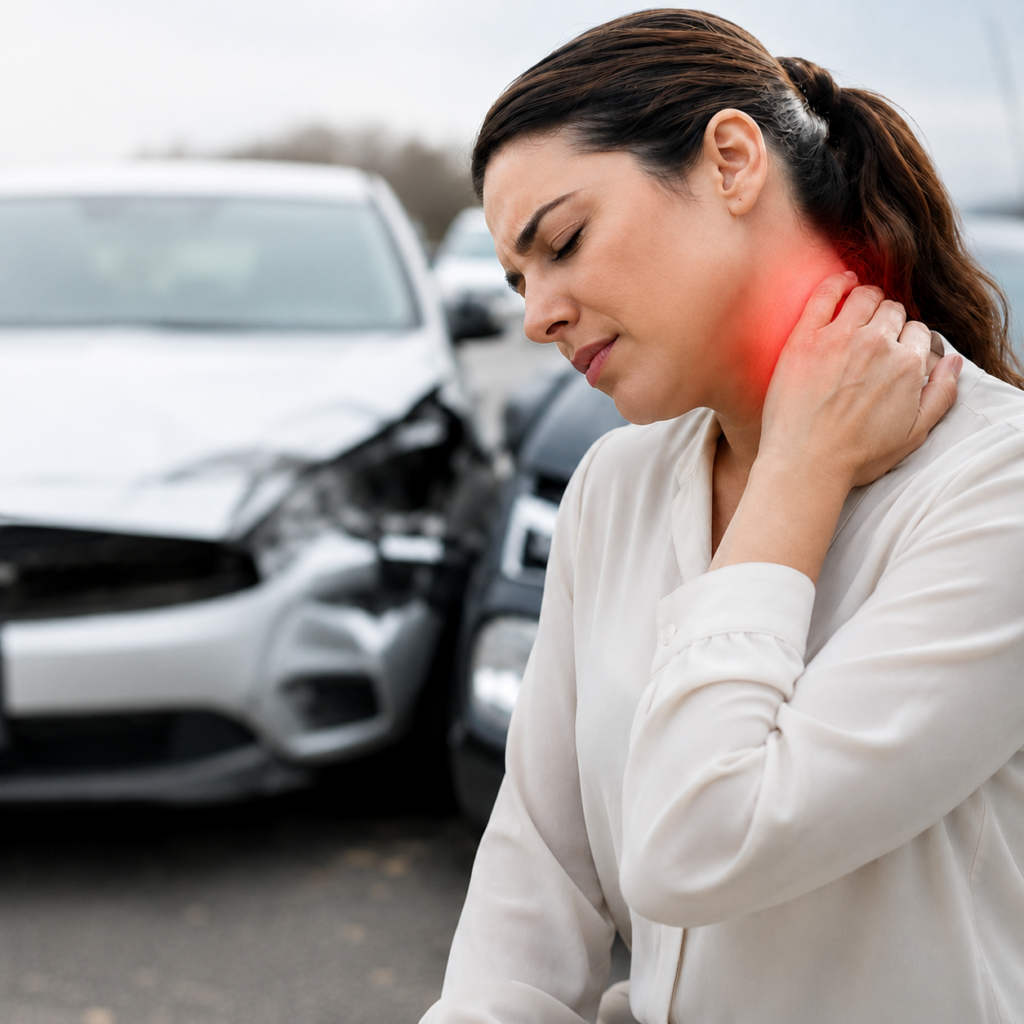
Lower back pain after a car accident is one of the most common complaints we see here at Sarasota Chiropractic And Physical Therapy — and it is also one of the most misunderstood. Many people walk away from a collision feeling shaken but relatively okay, only to wake up the next morning with a stiff, aching lower back that gets worse as the days go on. If that sounds familiar, you are not alone, and more importantly, you are not without options.
Understanding why your lower back hurts after an accident — and what to do about it — is the first step toward real recovery. This article is here to help you do exactly that.
We will walk through the most common causes of post-accident lower back pain, what symptoms to watch for, and how an integrated approach combining chiropractic care and physical therapy can help you heal more completely than pain medication alone ever could.
What Is Lower Back Pain After a Car Accident?
Lower back pain following a car accident refers to discomfort, stiffness, or sharp pain in the lumbar region of the spine — the lower portion of your back — that develops as a result of the physical forces involved in a collision. Even low-speed crashes can generate enough force to strain muscles, stress spinal joints, compress nerves, or damage the discs that cushion your vertebrae. This type of pain may appear immediately or be delayed by hours or even a few days due to inflammation and adrenaline masking initial symptoms.
Why Your Lower Back Hurts After a Crash
The lower back is a remarkably complex structure. It is made up of five lumbar vertebrae, a series of cushioning discs, multiple layers of muscle and ligament, and a network of nerves that travel from the spinal cord down into the legs. Under normal circumstances, this system is designed to absorb movement and carry the weight of your upper body with ease. But a car accident changes everything in an instant.
During a collision, your body is subjected to sudden, violent forces that it was never designed to handle. Even if your car has a headrest and seat belt — both of which help — your spine still experiences rapid acceleration and deceleration, often in fractions of a second. The lumbar spine, which sits at the base of your back and connects to your pelvis, is particularly vulnerable because it bears so much of the body’s mechanical load. When those forces exceed what the structures of your lower back can absorb, injury follows.
What makes lower back injuries from car accidents especially tricky is that inflammation — your body’s healing response — takes time to build up. This is why pain is sometimes delayed. You may feel fine leaving the scene of the accident, and then experience significant discomfort 24 to 72 hours later. This delayed onset is completely normal from a physiological standpoint, but it often causes patients to wait too long before seeking care.
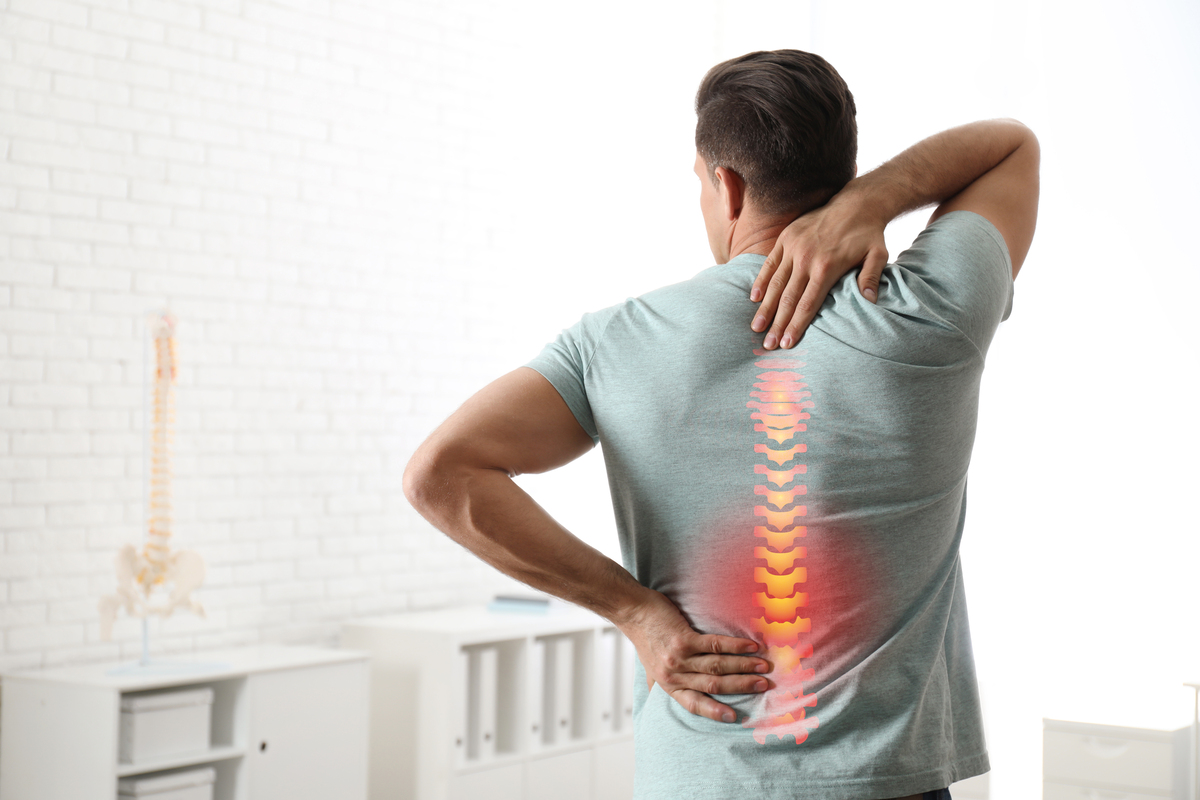
Common Causes of Post-Accident Lower Back Pain
Here in Sarasota, Dr. Abraham Kozma and the team at Sarasota Chiropractic And Physical Therapy have worked with hundreds of auto injury patients over the years. Across all of those cases, a handful of specific injuries account for the overwhelming majority of lower back pain following a crash.
Lumbar Sprains and Strains
A sprain refers to damage to the ligaments — the tough bands of tissue that connect your vertebrae to one another. A strain refers to damage to the muscles or tendons in the area. Both are extremely common after a car accident. When the lower back is suddenly forced beyond its normal range of motion, these soft tissues can tear or overstretch, causing pain, stiffness, and muscle spasms. Lumbar sprains and strains typically respond well to conservative care when treated promptly.
Herniated or Bulging Discs
Between each vertebra in your lumbar spine sits a disc — a small, rubbery cushion with a tough outer shell and a gel-like interior. During a high-impact collision, the force can cause that outer shell to crack or bulge, pushing the interior material outward. When a herniated disc presses on a nearby nerve root, it can cause sharp, radiating pain that travels down the buttocks, thigh, and even into the foot — a pattern commonly associated with sciatic nerve irritation. Disc injuries are among the more serious causes of post-accident lower back pain and warrant prompt evaluation.
Spinal Subluxations
In chiropractic care, a subluxation refers to a misalignment of one or more vertebrae that affects the normal function of the spine and nervous system. Accident forces can shift vertebrae out of their proper position, creating localized inflammation, restricted movement, and nerve interference. Left uncorrected, these misalignments can contribute to chronic pain patterns that persist long after the initial injury has healed on the surface.
Facet Joint Injuries
The facet joints are the small joints on the back of each vertebra that guide and limit the spine’s movement. Like any joint in the body, they can be sprained, inflamed, or damaged in a collision. Facet joint injuries often produce a deep, localized ache in the lower back that worsens with movement — particularly with bending backward or twisting. They are sometimes overlooked in standard emergency evaluations because they do not always show up clearly on X-ray.
Symptoms You Should Not Ignore
Not all lower back pain is the same, and some symptoms after a car accident deserve more immediate attention than others. Dull aching and stiffness in the lumbar region are the most common presentations and are usually associated with soft tissue injuries that respond well to conservative care. However, certain symptoms may indicate a more serious underlying injury that requires prompt medical evaluation.
You should seek evaluation right away if your lower back pain is accompanied by pain, numbness, or tingling that radiates down one or both legs, weakness in the legs or feet, difficulty controlling bladder or bowel function, or pain that is severe and does not respond to position changes at all. These can be signs of significant nerve involvement or, in rare cases, more serious spinal injury. At Sarasota Chiropractic And Physical Therapy, Dr. Abraham Kozma performs thorough assessments on every patient to determine the nature of the injury and whether additional imaging or medical referral is warranted before beginning care.
How Chiropractic and Physical Therapy Fit Into Your Recovery
One of the most powerful advantages of choosing Sarasota Chiropractic And Physical Therapy for your recovery is access to both chiropractic care and physical therapy — integrated under one roof, working from a single coordinated treatment plan. This dual-discipline approach is genuinely different from what most clinics in the Sarasota area offer, and it produces better outcomes for auto injury patients because it addresses the full scope of the injury.
What Chiropractic Care Does for Your Lower Back
Chiropractic care focuses on restoring proper alignment and function to the lumbar spine. Through carefully applied adjustments, Dr. Abraham Kozma works to correct vertebral misalignments, reduce nerve irritation, and restore the spine’s natural range of motion. Research published in respected journals, including studies referenced by organizations like the American Chiropractic Association and the National Institutes of Health, suggests that spinal manipulation is an effective, evidence-supported approach for managing acute lower back pain. It is non-invasive, does not involve medication, and is tailored to the individual patient’s condition and tolerance.
What Physical Therapy Adds to the Equation
Chiropractic adjustments address structural alignment — but physical therapy is what rebuilds the functional strength and mobility that protects your spine from re-injury. After a car accident, the muscles supporting the lumbar spine are often weakened, guarded, or chronically tight. Our physical therapy component helps patients restore core strength, improve flexibility, and retrain proper movement patterns. This is not a cookie-cutter exercise program left to complete alone in a back room. Every session at Sarasota Chiropractic And Physical Therapy is conducted one-on-one with your provider — which means your progress is monitored closely and your plan evolves as you improve.
The Integrated Difference
When chiropractic care and physical therapy work together from a shared plan, patients tend to recover more fully and more quickly than they would with either discipline alone. The structural corrections made during chiropractic adjustments are reinforced by the strength and mobility work done in physical therapy — and vice versa. For auto injury patients managing lower back pain in Sarasota, Bradenton, Lakewood Ranch, and surrounding communities, this integrated model represents a meaningfully higher standard of care.
Practical Tips for Managing Lower Back Pain at Home
While professional care is essential for a full recovery from auto injury-related lower back pain, there are sensible steps you can take at home to support your healing between visits. These are not substitutes for evaluation and treatment — but they can help you manage discomfort and avoid making things worse.
In the first 48 to 72 hours after an accident, applying ice to the lower back for 15 to 20 minutes at a time can help control early inflammation. After the acute phase has passed, gentle heat may provide more relief by relaxing tight muscles. Avoid prolonged bed rest — staying gently active with short, easy walks is generally better for lower back recovery than lying completely still, according to current consensus in conservative care guidelines.
Pay close attention to how you are sitting. Poor posture at a desk or in a car seat places significant compressive load on the lumbar discs. Sit with your hips at a 90-degree angle, keep both feet flat on the floor, and use a small rolled towel or lumbar support pillow behind your lower back if your chair does not provide adequate support. When sleeping, try lying on your side with a pillow between your knees to reduce rotational stress on the lumbar spine.
When to See a Chiropractor for Lower Back Pain
The honest answer is: sooner is almost always better. After a car accident, the window of time immediately following the injury is when conservative care tends to be most effective. Inflammation and compensatory muscle patterns can become entrenched over time, making treatment more complex and recovery longer. If you were involved in a collision — even a relatively minor one — and you are experiencing any lower back discomfort at all, it is worth having a professional evaluation.
From a legal and insurance standpoint, many patients in Florida are protected by Personal Injury Protection (PIP) benefits that can cover initial chiropractic evaluation and treatment following a motor vehicle accident. Our team at Sarasota Chiropractic And Physical Therapy has over 25 years of experience helping patients understand their benefits and navigate the documentation process so they can stay focused on healing rather than paperwork.
If your symptoms include any of the warning signs mentioned earlier — radiating leg pain, weakness, or loss of bladder or bowel control — seek emergency medical evaluation immediately. These can indicate serious neurological involvement that goes beyond the scope of conservative care and requires urgent attention.
Symptom or Situation |
Recommended Action |
|---|---|
|
Dull aching or stiffness after a crash |
Schedule a chiropractic evaluation within 72 hours |
|
Pain that worsens after 48–72 hours |
Seek professional evaluation promptly — delayed onset is common |
|
Radiating pain or tingling into the legs |
Chiropractic evaluation with possible imaging referral |
|
Muscle spasms limiting movement |
Integrated chiropractic + physical therapy care |
|
Loss of bladder or bowel control |
Seek emergency medical care immediately |
|
Symptoms persisting beyond a few weeks |
Comprehensive re-evaluation and updated treatment plan |
Myths vs. Facts About Lower Back Pain After an Accident
Myth: If you were in a minor accident, you cannot have a serious back injury.
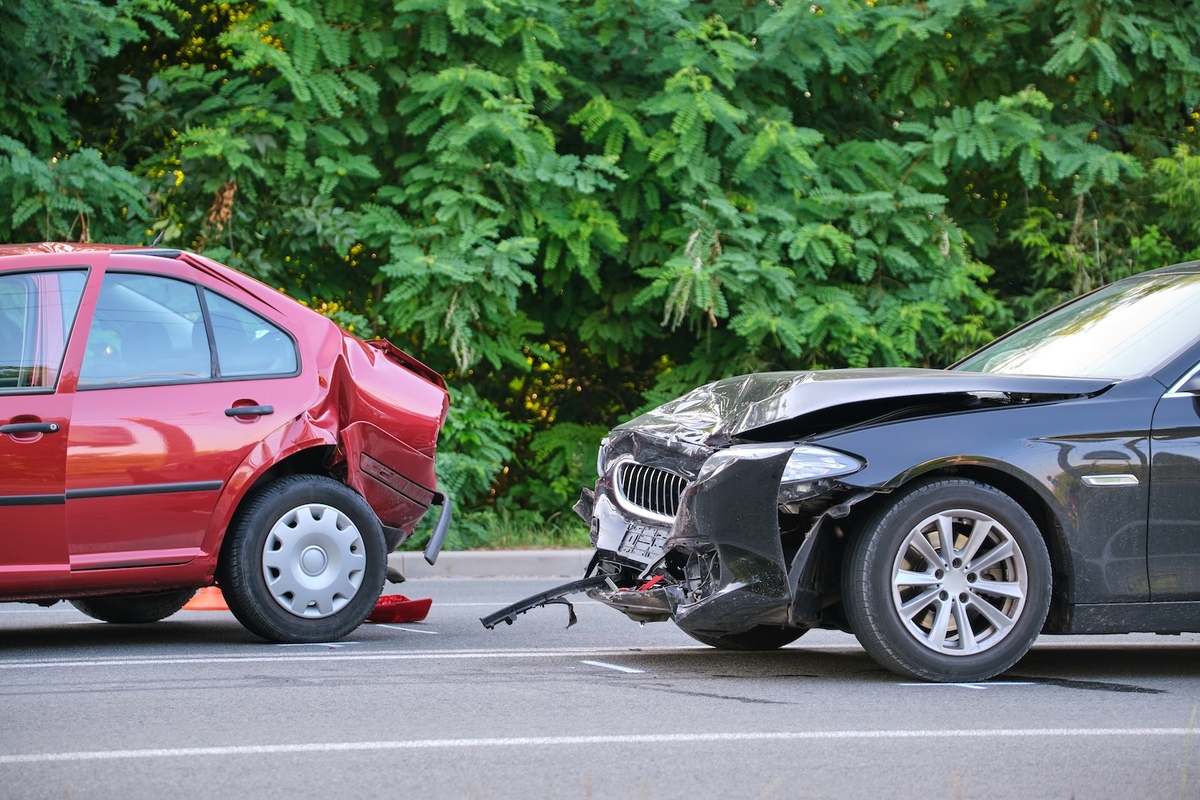
Fact: The severity of vehicle damage does not reliably predict the severity of a spinal injury. Low-speed rear-end collisions have been shown to produce significant forces on the lumbar spine. The absence of visible car damage does not mean the absence of soft tissue or disc injury. Many patients with serious post-accident back injuries were in crashes that looked minor from the outside.
Myth: Lower back pain after a crash will go away on its own if you rest long enough.
Fact: While some mild soft tissue soreness does resolve with rest, untreated spinal misalignments, disc injuries, and muscle imbalances can persist, worsen, or contribute to chronic pain patterns if left unaddressed. Early, appropriate intervention is associated with better long-term outcomes than a wait-and-see approach.
Myth: Chiropractic care is not safe for injured spines.
Fact: Chiropractic care is recognized as a safe, evidence-supported treatment for acute and subacute lower back pain by major health organizations including the American College of Physicians and the National Institutes of Health. Chiropractors are trained to assess which patients are appropriate candidates for spinal manipulation and to modify their techniques based on the nature and severity of an injury.
Myth: Pain medication is the best way to manage lower back pain after an accident.
Fact: Pain medication can help manage short-term discomfort, but it does not address the underlying structural cause of post-accident lower back pain. Leading clinical guidelines, including those from the American College of Physicians, recommend non-pharmacological approaches — including spinal manipulation and exercise therapy — as first-line treatments for lower back pain before reaching for medication.
Myth: You only need one type of provider for post-accident recovery.
Fact: Most auto injury patients benefit from a coordinated approach that addresses both structural alignment and functional rehabilitation. This is precisely why the integrated model at Sarasota Chiropractic And Physical Therapy — combining chiropractic care and physical therapy in a unified plan — tends to produce more complete recovery outcomes than either discipline alone.
Final Thoughts From Our Sarasota Team
If you are dealing with lower back pain after a car accident, the most important thing to know is this: what you are experiencing is real, it is treatable, and you do not have to simply manage it indefinitely with pain pills. There is a path to actual healing — and it starts with understanding what is happening in your body and getting it properly evaluated.
Here at Sarasota Chiropractic And Physical Therapy, Dr. Abraham Kozma and our entire care team are dedicated to helping auto injury patients in Sarasota, Bradenton, Lakewood Ranch, and the surrounding communities get the answers and the treatment they deserve. With over 25 years of experience in auto injury recovery, we bring a level of expertise, compassion, and hands-on attention that we are genuinely proud of. Every patient who walks through our door receives one-on-one care at every visit — because we believe that is the standard you deserve, not a luxury.
You were in an accident. That was not your choice. But your recovery absolutely is. We are here to help you make the most of it.
Frequently Asked Questions
How soon after a car accident should I see a chiropractor for lower back pain?
Ideally, within the first 24 to 72 hours after an accident — even if your symptoms feel mild. Early evaluation allows for a more accurate assessment of the injury and gives conservative treatment the best opportunity to prevent short-term pain from becoming a long-term problem. Delayed onset of symptoms is common, so do not wait for pain to become severe before seeking care.
Can lower back pain from a car accident become chronic?
Yes, it can — particularly when injuries go untreated or are undertreated in the weeks following a collision. Spinal misalignments, disc injuries, and weakened supporting muscles can all contribute to persistent or recurring lower back pain if not properly addressed. This is one of the strongest reasons to seek professional evaluation promptly after an accident.
Does Florida PIP insurance cover chiropractic care after a car accident?
Florida’s Personal Injury Protection benefits generally cover chiropractic evaluation and treatment following a motor vehicle accident, subject to policy limits and timing requirements. Our team at Sarasota Chiropractic And Physical Therapy has extensive experience helping patients understand and access their PIP benefits. We encourage you to reach out to us directly so we can walk you through the process.
What is the difference between a sprain and a herniated disc in the lower back?
A lumbar sprain involves damage to the ligaments connecting the vertebrae and typically produces localized pain and stiffness. A herniated disc involves damage to the cushioning disc between vertebrae, which can press on nearby nerves and cause radiating pain, numbness, or tingling into the legs. Both can result from car accident forces, and proper evaluation is necessary to distinguish between them and guide appropriate care.
Is chiropractic adjustment safe if I have lower back pain from a car accident?
For most patients, yes — chiropractic care is considered a safe, first-line treatment for post-accident lower back pain. Dr. Abraham Kozma conducts a thorough intake and assessment before any treatment begins to ensure that care is appropriate for your specific injury. Techniques are adapted to each patient’s condition, and gentler approaches are used when indicated.
How long does recovery from lower back pain after a car accident typically take?
Recovery timelines vary widely depending on the nature and severity of the injury, the patient’s age and overall health, and how promptly care was initiated. Mild soft tissue injuries may resolve in a matter of weeks with proper treatment, while disc injuries or more complex cases may require a longer course of care. Dr. Abraham Kozma and our team provide personalized recovery plans with realistic timelines based on your specific situation.
TL;DR
-
Lower back pain after a car accident is extremely common and can result from muscle strains, disc injuries, spinal misalignments, or facet joint damage — even in low-speed crashes.
-
Symptoms sometimes appear 24 to 72 hours after the accident due to delayed inflammation, so do not wait for pain to become severe before seeking care.
-
Chiropractic care addresses spinal alignment and nerve function, while physical therapy rebuilds supporting strength — together, they produce better recovery outcomes than either alone.
-
Warning signs like leg numbness, radiating pain, or loss of bladder control require immediate medical evaluation beyond conservative care.
-
Sarasota Chiropractic And Physical Therapy offers over 25 years of auto injury experience, with Dr. Abraham Kozma providing one-on-one integrated care to patients throughout the Sarasota region.