If you’ve been dealing with numbness, tingling, or weakness in your hands, there’s a good chance carpal tunnel syndrome has crossed your mind — or maybe your doctor’s. It’s one of the most common nerve-related conditions affecting the upper extremities, and it touches people across all walks of life, from desk workers to athletes to drivers. Here in Sarasota, we see patients at Sarasota Chiropractic And Physical Therapy who come in frustrated, confused, and often unsure what’s actually happening inside their wrist. The good news? Understanding the different types of carpal tunnel and what causes them is the first step toward doing something real about it.
What Is Carpal Tunnel Syndrome?
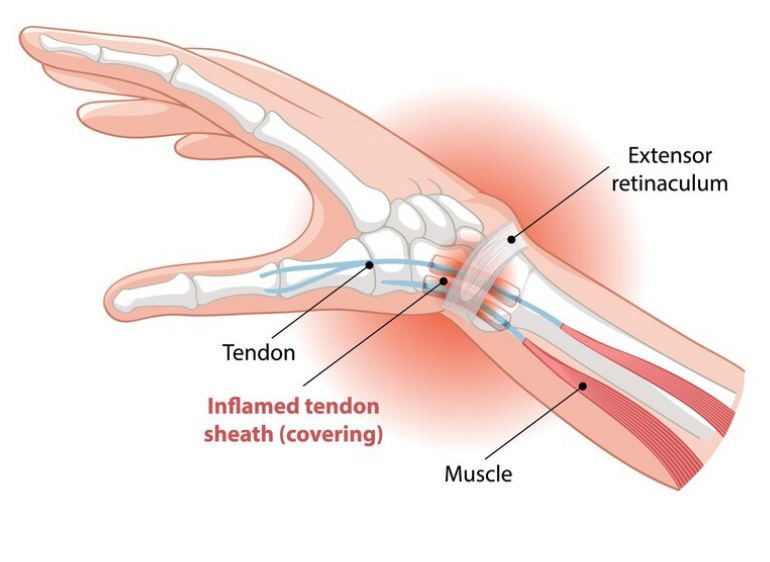
Carpal tunnel syndrome is a condition that occurs when the median nerve — which runs through a narrow passageway in your wrist called the carpal tunnel — becomes compressed or irritated. This compression can cause pain, numbness, tingling, and weakness that typically radiates from the wrist into the hand, thumb, and first three fingers. It is not a single, one-size-fits-all condition. There are different patterns and underlying causes, which is why a proper evaluation matters so much before jumping to any conclusions about care.
The Different Types of Carpal Tunnel
Most people think of carpal tunnel as a single diagnosis — you either have it or you don’t. But clinicians recognize that the condition can present in meaningfully different ways, depending on its root cause, the degree of nerve compression, and whether it involves one or both hands. Understanding these distinctions helps explain why two patients with similar-sounding symptoms may need quite different approaches to care.
Acute Carpal Tunnel Syndrome
Acute carpal tunnel syndrome develops rapidly, usually following a traumatic event like a wrist fracture, dislocation, or direct impact injury. In Sarasota, this type sometimes shows up in our clinic following car accidents, where the force of impact causes sudden swelling within the carpal tunnel, placing immediate pressure on the median nerve. Symptoms can appear within hours or days of the injury and tend to be more intense than the gradual-onset variety. This type often requires prompt attention because the underlying inflammation can escalate quickly if left unaddressed.
Chronic Carpal Tunnel Syndrome
This is the most commonly recognized form. Chronic carpal tunnel syndrome builds slowly over weeks, months, or even years. It is typically linked to repetitive hand motions, sustained awkward wrist positions, or ongoing physical demands of a job or hobby. Patients often describe symptoms that start subtly — maybe some nighttime tingling — and gradually worsen over time until daily tasks become difficult. Because it develops gradually, many people delay seeking care, assuming the symptoms will resolve on their own. They often don’t.
Bilateral Carpal Tunnel Syndrome
When carpal tunnel syndrome affects both wrists simultaneously or in close succession, it is referred to as bilateral carpal tunnel syndrome. This presentation often signals a systemic contributing factor rather than a purely mechanical one. Conditions like diabetes, thyroid disorders, or rheumatoid arthritis may increase the likelihood of bilateral involvement. It can also occur in people whose work or lifestyle creates equal repetitive strain on both hands. Dr. Abraham Kozma evaluates bilateral presentations carefully, because they frequently require a more thorough investigation into underlying health contributors alongside the structural assessment.
Occupational Carpal Tunnel Syndrome
This classification refers specifically to cases where the primary driver of nerve compression is job-related repetitive motion or ergonomic strain. It is particularly common in people who type extensively, operate vibrating tools, perform assembly-line tasks, or work in positions that require sustained wrist flexion or extension. While it overlaps with the chronic category, the occupational label is meaningful because it directs attention toward workplace modifications as a necessary part of any effective recovery plan — not just the clinical treatment itself.
Idiopathic Carpal Tunnel Syndrome
Sometimes, even after a thorough evaluation, no clear single cause can be identified. This is called idiopathic carpal tunnel syndrome. It is still very real and still very treatable — it simply means the combination of contributing factors is subtle or multifactorial. Age-related tissue changes, minor postural habits, and gradual thickening of the transverse carpal ligament can all play a quiet role without a single obvious culprit.
Common Causes and Risk Factors
Regardless of which type a patient presents with, carpal tunnel syndrome shares a common physiological mechanism: increased pressure within the carpal tunnel that compresses the median nerve. What drives that pressure, though, can vary considerably from person to person.
Repetitive wrist and hand motion is perhaps the most well-known contributor. Activities that involve sustained gripping, pinching, or typing place cumulative mechanical stress on the tendons and soft tissues that pass through the carpal tunnel alongside the median nerve. When those tendons become inflamed or irritated, the available space narrows, and the nerve pays the price.
Wrist anatomy also plays a role. Some people simply have a smaller carpal tunnel by nature, making them more susceptible to compression even without significant repetitive strain. Wrist injuries — including fractures that heal with even slight misalignment — can also alter the shape of the tunnel and contribute to nerve irritation over time.
Systemic health conditions are another important piece of the puzzle. Diabetes, hypothyroidism, obesity, pregnancy, and inflammatory arthritis are all associated with increased carpal tunnel risk. In pregnant patients, fluid retention can temporarily increase pressure within the tunnel, producing symptoms that often resolve after delivery but can be quite uncomfortable in the meantime.
Postural and cervical spine dysfunction is an often-overlooked factor. When the nerves supplying the hand and wrist are already under tension due to poor neck posture, cervical disc issues, or thoracic outlet compression, even minor wrist strain can tip the balance into symptomatic territory. This is a concept known as the “double crush” phenomenon — where nerve compression at two separate points compounds the symptoms at the end of the nerve pathway.
Symptoms to Recognize
Carpal tunnel syndrome has a fairly recognizable symptom pattern once you know what to look for. The median nerve supplies sensation to the thumb, index finger, middle finger, and the thumb-side half of the ring finger — so symptoms in that distribution are a key clue. The pinky finger, notably, is typically not affected, because it is supplied by the ulnar nerve rather than the median nerve.
Nighttime symptoms are one of the hallmarks of this condition. Many patients describe waking up with their hand feeling numb or “asleep,” which they then shake out until sensation returns. This happens because the wrist naturally tends to flex during sleep, increasing pressure within the tunnel. As the condition progresses, daytime symptoms — such as difficulty gripping objects, dropping things unexpectedly, or persistent aching in the forearm — become more pronounced.
Weakness in the muscles at the base of the thumb (the thenar muscles) can also develop in more advanced cases, making it harder to pinch or perform fine motor tasks. This level of muscle involvement is a sign that evaluation and care should not be delayed further.
How Chiropractic and Physical Therapy Fit In
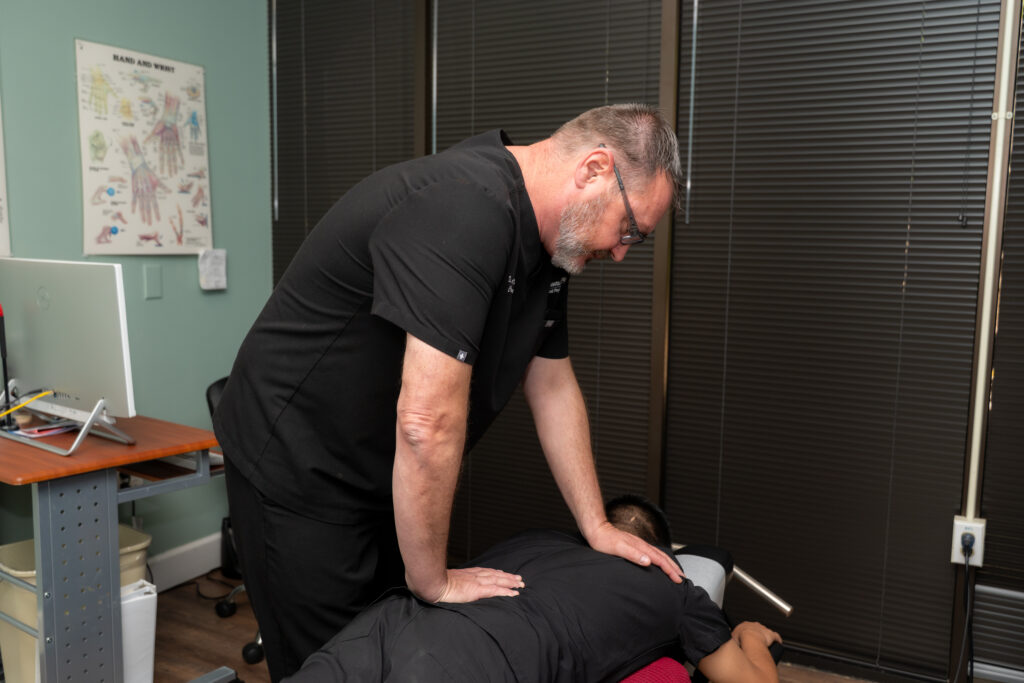
What makes Sarasota Chiropractic And Physical Therapy genuinely different is the integrated model of care. Carpal tunnel syndrome isn’t just a wrist problem — it’s often a whole-body problem that requires looking at the cervical spine, shoulder, elbow, and wrist together as one interconnected system. Dr. Abraham Kozma approaches each patient with exactly that perspective.
Chiropractic care can help address joint dysfunction throughout the upper extremity and cervical spine that may be contributing to or amplifying nerve compression. Adjustments and manual therapy aimed at restoring proper joint motion can reduce mechanical stress on the nerve pathway and help the body move more freely. When spinal misalignment or restricted thoracic mobility is adding to the nerve tension, addressing those components becomes an essential part of any real recovery.
Physical therapy layered on top of that chiropractic foundation takes the recovery further. Targeted exercises to strengthen the forearm muscles, restore wrist mobility, and correct faulty movement patterns give patients the tools to support healing long after they leave the clinic. Nerve gliding exercises — movements specifically designed to free up the median nerve and reduce adhesion — are one example of the kind of functional rehabilitation that a skilled physical therapist can guide you through safely and effectively.
Together, this dual approach addresses both the structural contributors to carpal tunnel syndrome and the functional deficits that build up when the hand and wrist haven’t been moving properly. It’s a more complete picture of care — and for many patients here in Sarasota, it makes a meaningful difference in how fully they recover.
Practical Tips to Support Your Recovery
While professional evaluation and care are irreplaceable for true carpal tunnel syndrome, there are practical steps you can take to support your wrist health and reduce unnecessary strain on the median nerve.
Ergonomics matter more than most people realize. If you spend significant time at a keyboard, your wrist should ideally be in a neutral position — not bent up or down while typing. A keyboard that sits too high forces your wrists into extension all day long, and that adds up quickly over a full workweek.
Taking regular movement breaks is equally important. Sustained static positions — whether typing, gripping a steering wheel, or holding a phone — reduce circulation and promote tissue stiffness. Setting a reminder to pause and gently move your wrists and hands every 30 to 45 minutes can help reduce cumulative strain over the course of a day.
Sleep position deserves attention as well. Many people sleep with their wrists curled or tucked under their body, which places sustained pressure on the carpal tunnel overnight. A neutral wrist splint worn during sleep can help keep the wrist in a more favorable position and reduce those nighttime symptoms. This is something Dr. Abraham Kozma can advise on specifically based on your individual presentation.
Staying generally active also supports nerve health. Gentle cardiovascular movement promotes circulation, which is important for nerve tissue that depends on healthy blood flow. Sarasota’s outdoor environment makes this especially accessible — even a consistent daily walk makes a difference.

When to See a Chiropractor
If you’ve been experiencing tingling or numbness in your hand that lasts more than a few days, interrupts your sleep, or is getting progressively worse rather than better, that’s a meaningful signal worth taking seriously. Carpal tunnel syndrome rarely resolves permanently on its own once it reaches a consistent symptomatic level, and waiting too long can allow the nerve compression to progress to the point where muscle weakness or more lasting nerve changes develop.
The Sarasota community has a lot of active residents — people who work with their hands, spend time on the water, exercise regularly, and simply need their bodies to function well. At Sarasota Chiropractic And Physical Therapy, patients come in for an honest evaluation that looks at the full picture, not just the wrist in isolation.
There are also situations that warrant direct medical attention rather than chiropractic care alone. If you notice sudden complete loss of hand function, rapidly progressing weakness, or symptoms following a significant wrist injury, connecting with a medical provider promptly is the right call. A good chiropractor will always refer out when appropriate — that’s part of what honest, responsible care looks like.
|
Carpal Tunnel Type |
Primary Trigger |
Typical Onset |
Common Contributing Factors |
|---|---|---|---|
|
Acute |
Trauma or injury (e.g., fracture, accident) |
Rapid (hours to days) |
Wrist fracture, post-accident swelling, dislocation |
|
Chronic |
Gradual repetitive strain |
Slow (weeks to months) |
Repetitive hand use, sustained wrist positions |
|
Bilateral |
Systemic or equal bilateral strain |
Variable |
Diabetes, thyroid disorders, symmetrical job demands |
|
Occupational |
Work-related repetitive motion |
Gradual |
Keyboard work, vibrating tools, assembly tasks |
|
Idiopathic |
Multifactorial or unclear cause |
Variable |
Age-related tissue changes, subtle postural habits |
Myths vs. Facts About Carpal Tunnel
Myth: Carpal tunnel syndrome only affects people who type all day.
Fact: While typing is a well-known risk factor, carpal tunnel syndrome affects a much wider range of people — including drivers, assembly workers, athletes, pregnant women, and individuals with systemic health conditions like diabetes or thyroid dysfunction. The condition is about pressure on the median nerve, and that pressure can come from many different sources.
Myth: Surgery is the only real solution for carpal tunnel syndrome.
Fact: Surgery is one option for certain cases, particularly when nerve compression is severe or conservative care has not produced adequate relief. However, research and clinical guidelines — including guidance from organizations like the American College of Physicians — support conservative, non-surgical approaches as a reasonable first line of care for many patients. Chiropractic care, physical therapy, wrist splinting, and activity modification can all play meaningful roles before surgical options are considered.
Myth: If the tingling goes away on its own, you don’t need care.
Fact: Intermittent symptoms that temporarily resolve can create a false sense of security. Carpal tunnel syndrome that comes and goes can still progress. If the underlying mechanical or systemic contributors aren’t addressed, symptoms typically return and worsen over time. Early evaluation gives you a clearer picture and more options.
Myth: Carpal tunnel syndrome is only a wrist problem.
Fact: The median nerve originates in the cervical spine and travels the entire length of the arm before reaching the wrist. Dysfunction anywhere along that pathway — including the neck, shoulder, or elbow — can influence how the nerve responds to compression at the wrist. This is why a thorough evaluation looks at the whole upper extremity, not just the tunnel itself.
Myth: Rest alone is enough to heal carpal tunnel syndrome.
Fact: Rest can reduce acute inflammation and provide short-term relief, but it does not correct the structural, postural, or movement-related factors that allowed compression to develop in the first place. Without addressing those root contributors, symptoms tend to return as soon as normal activity resumes. Guided rehabilitation is typically needed for more durable improvement.
Final Thoughts
Living with hand numbness, wrist pain, or that maddening tingling that wakes you up at night is not something you just have to accept. Carpal tunnel syndrome is a real, treatable condition — and understanding the different types and causes puts you in a much better position to make informed decisions about your care.
Here at Sarasota Chiropractic And Physical Therapy, we believe in being straight with our patients. Dr. Abraham Kozma and the team take the time to understand what’s actually happening with your body — not just at the wrist, but throughout the entire kinetic chain that contributes to your symptoms. Our integrated approach, combining chiropractic care and physical therapy under one roof, means you’re getting a more complete recovery plan, not just a quick fix.
If you’re in the Sarasota area and you’ve been brushing off hand symptoms that don’t seem to be resolving, this is your sign to get a real evaluation. You deserve honest answers and a plan that actually works for your life. Call to schedule your appointment, and let’s get you moving in the right direction.
Frequently Asked Questions
Can a car accident cause carpal tunnel syndrome?
Yes. A car accident can cause acute carpal tunnel syndrome through direct wrist trauma, fracture, or significant swelling around the carpal tunnel. Additionally, cervical spine injuries from whiplash can affect the nerve pathways supplying the hand and contribute to carpal tunnel-like symptoms. If you’ve been in an accident and are experiencing hand numbness or wrist pain, it’s worth having both evaluated.
How do I know if my hand numbness is carpal tunnel or something else?
The distribution of symptoms is an important clue — carpal tunnel syndrome typically affects the thumb, index finger, middle finger, and thumb-side half of the ring finger, while leaving the pinky unaffected. However, other conditions like cervical radiculopathy, thoracic outlet syndrome, or cubital tunnel syndrome can produce similar symptoms. A proper clinical evaluation is the best way to determine what’s actually driving your symptoms.
Does chiropractic care actually help carpal tunnel syndrome?
Evidence suggests that chiropractic care — particularly when combined with physical therapy — can be a beneficial component of conservative management for carpal tunnel syndrome. By addressing joint dysfunction in the wrist, elbow, and cervical spine alongside targeted rehabilitation exercises, the integrated approach we use at Sarasota Chiropractic And Physical Therapy addresses multiple contributing factors at once. Individual outcomes vary based on the severity and cause of the condition.
Is carpal tunnel syndrome permanent?
It doesn’t have to be. Many patients experience meaningful improvement with conservative care, especially when they seek evaluation before the condition reaches an advanced stage. The earlier the contributing factors are identified and addressed, the more options are available. Waiting until there is significant muscle weakness or prolonged constant numbness does narrow the window for non-surgical recovery.
Can I develop carpal tunnel syndrome from driving?
It is possible, particularly if you drive frequently for long periods while gripping the steering wheel tightly or with the wrist in a flexed position. Delivery drivers, rideshare drivers, and those with long daily commutes can be at elevated risk from sustained repetitive gripping. Ergonomic adjustments and regular breaks can help reduce that strain over time.
Do I need an MRI or X-ray to diagnose carpal tunnel syndrome?
Not necessarily. Carpal tunnel syndrome is often diagnosed through clinical examination, symptom history, and orthopedic testing. Nerve conduction studies are sometimes used to confirm the diagnosis and assess severity. Imaging like MRI or X-ray may be ordered when a structural cause — such as a fracture or tumor — needs to be ruled out, but they are not always required as a first step.
TL;DR Summary
-
Carpal tunnel syndrome occurs when the median nerve is compressed in the wrist, causing numbness, tingling, and weakness — and it comes in several distinct types, including acute, chronic, bilateral, occupational, and idiopathic.
-
Common causes range from repetitive hand motions and poor wrist ergonomics to systemic conditions like diabetes and thyroid dysfunction, as well as cervical spine dysfunction that affects the entire nerve pathway.
-
Surgery is not the only path forward — conservative care including chiropractic treatment and physical therapy is supported as a first-line approach for many patients.
-
At Sarasota Chiropractic And Physical Therapy, Dr. Abraham Kozma uses an integrated, whole-body approach that addresses both the structural and functional contributors to carpal tunnel syndrome.
-
If hand tingling, wrist pain, or nighttime numbness has been part of your life for more than a few days, don’t wait — call to schedule your appointment and get a real evaluation.